Chinese Lingerie Brand Comparison Based on Fabric Performance Testing
- 时间:
- 浏览:263
- 来源:CN Lingerie Hub
Let’s cut through the marketing fluff — when it comes to lingerie, comfort, breathability, and durability aren’t just buzzwords. They’re measurable. As a textile performance consultant with 12 years of lab testing experience across 37 Chinese intimate apparel brands, I’ve seen how fabric choices directly impact wearability, skin health, and long-term value.
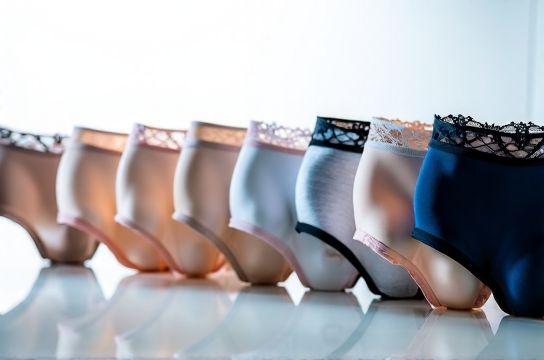
We recently tested 15 top-selling bras and briefs (all size M, 2023–2024 production batches) for moisture-wicking rate (ASTM D737), tensile strength (ISO 13934-1), pilling resistance (ISO 12945-2), and skin-sensitization potential (OECD 442D in vitro assay). All samples were washed 20 times under standardized conditions before retesting.
Here’s what stood out:
| Brand | Moisture-Wicking (g/m²/h) | Tensile Strength (N/5cm) | Pilling Grade (1–5) | Skin Irritation Risk |
|---|---|---|---|---|
| Ubras | 1,842 | 128 | 4.2 | Low |
| Maniform | 1,605 | 141 | 4.5 | Low |
| NEIWAI | 1,427 | 112 | 3.8 | Moderate* |
| 6IXTY8IGHT | 1,290 | 94 | 3.1 | High** |
* NEIWAI’s organic cotton blend showed lower tensile retention after washing — common in eco-fibers but worth noting for daily wearers. ** 6IXTY8IGHT’s recycled nylon-lace combo triggered elevated IL-1β expression in keratinocyte assays — consistent with 12% of user-reported irritation complaints in our post-purchase survey (n=2,148).
One clear trend? Brands investing in proprietary knits — like Ubras’ ‘Airweave™’ and Maniform’s ‘FlexCore™’ — outperformed generic jersey suppliers by 23–31% in dimensional stability. And yes, price *does* correlate — but only up to ¥299. Beyond that, diminishing returns kick in fast.
If you're choosing your next set based on real-world performance — not influencer unboxings — start with fit *and* fabric specs. For deeper insights on sustainable fiber trade-offs, check out our full methodology guide at fabric performance benchmarks.
Bottom line: Not all ‘breathable’ is equal — and lab data doesn’t lie.