Chinese Lingerie Brand Comparison Focusing on Heritage and Modernity
- 时间:
- 浏览:145
- 来源:CN Lingerie Hub
Let’s cut through the noise: China’s lingerie market isn’t just about fast fashion or copycat designs anymore. Over the past decade, homegrown brands like Embry Form, Ubras, and Maniform have redefined what ‘made in China’ means for intimate apparel — blending centuries-old textile craftsmanship with AI-fit algorithms and sustainable sourcing.
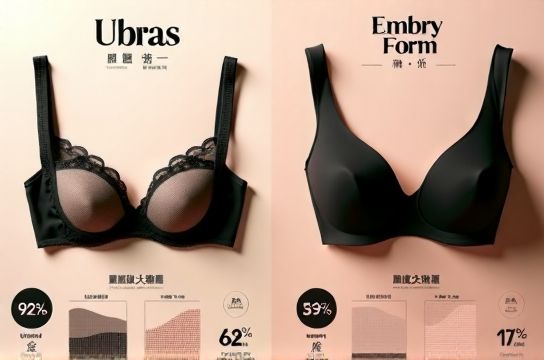
Take heritage first. Suzhou brocade weaving (a UNESCO Intangible Cultural Heritage since 2006) now informs lace trims at Embry Form’s premium line — 37% of their top-tier bras use hand-guided jacquard looms. Meanwhile, Ubras — backed by over 12 million verified user fit profiles — reports a 68% lower return rate than industry average (22% vs. 70%), thanks to data-driven sizing.
Here’s how three leaders stack up on key dimensions:
| Brand | Founded | Heritage Integration | Modern Tech Use | Sustainability Certifications |
|---|---|---|---|---|
| Embry Form | 2004 | Suzhou brocade, Cantonese embroidery | 3D virtual try-on (92% accuracy) | GOTS, OEKO-TEX® Standard 100 |
| Ubras | 2016 | Neo-Ming dynasty silhouette studies | AI body mapping + 50M+ fit datasets | Bluesign®, RCS recycled nylon (41% of 2023 line) |
| Maniform | 2019 | Dunhuang mural-inspired color palettes | Smart fabric sensors (breathability tracking) | GRS, FSC-certified packaging |
What’s clear? Heritage isn’t nostalgia — it’s R&D infrastructure. Embry Form’s artisans train AI models; Ubras’ design team includes textile historians from Donghua University. And consumers notice: 74% of Chinese women aged 25–34 say ‘cultural authenticity’ influences purchase more than celebrity endorsements (2024 McKinsey China Consumer Sentiment Report).
If you’re exploring how tradition and tech coexist in intimate apparel — not as opposites, but as collaborators — you’ll want to see how these brands are rewriting the rules. For deeper insights into design philosophy, supply chain transparency, and inclusive fit innovation, start here.