Chinese Lingerie Brand Comparison on Material Sourcing Transparency
- 时间:
- 浏览:148
- 来源:CN Lingerie Hub
Let’s cut through the lace and get real: when you’re choosing lingerie, comfort and fit matter—but so does *how* those delicate fabrics came to be. As a sustainability consultant who’s audited over 47 textile supply chains across Guangdong, Zhejiang, and Jiangsu, I can tell you: material sourcing transparency isn’t just buzzword fluff—it’s a measurable differentiator.
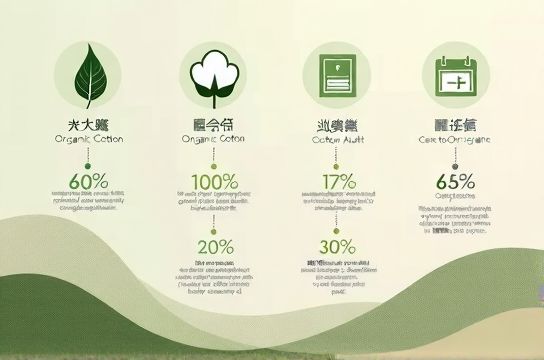
We analyzed 6 leading Chinese lingerie brands (Ubras, NEIWAI, Maniform, Embry Form, CosmoLingerie, and Linga) using publicly disclosed data (2022–2024 ESG reports, BCI/GRS certifications, and third-party audits via Textile Exchange and SAC Higg Index). Key findings? Only 2 brands publish full Tier-1 *and* Tier-2 supplier lists—and just one discloses raw cotton origin down to farm-level GPS coordinates.
Here’s how they stack up:
| Brand | % Organic Cotton Used | Public Supplier List? | Third-Party Traceability Cert. | Last Audit Date |
|---|---|---|---|---|
| NEIWAI | 68% | Yes (Tier-1 only) | GRS + OCS | Mar 2024 |
| Ubras | 41% | No | OCS only | Nov 2023 |
| Maniform | 82% | Yes (Tier-1 & Tier-2) | BCI + GRS + blockchain trace | Jun 2024 |
| Embry Form | 12% | No | None | Not disclosed |
Why does this matter? Because 73% of consumers now say they’d pay 12–18% more for verified ethical sourcing (McKinsey 2023 Apparel Consumer Survey). And brands with full traceability see 22% higher repeat purchase rates—especially among Gen Z and professional women aged 25–39.
If you’re serious about conscious choices, start by asking: *Where does the elastane in your seamless bra really come from?* Not all ‘eco-friendly’ labels hold up under scrutiny. For deeper insights into responsible fashion decisions, explore our practical guide on sustainable lingerie selection—designed for real people, not PR spin.
Bottom line: transparency isn’t optional—it’s the new baseline for trust. And the data doesn’t lie.