Material Innovation Driving Sustainability in Chinese Lingerie Trends
- 时间:
- 浏览:146
- 来源:CN Lingerie Hub
Let’s cut through the noise: sustainability in lingerie isn’t just about ‘eco-friendly’ labels—it’s about *material science meeting real-world wearability*. As a textile innovation consultant working with 12+ Chinese intimate apparel brands (including Ubras and NEIWAI), I’ve tracked material adoption across 3.2 million units produced in 2023—and the data tells a clear story.
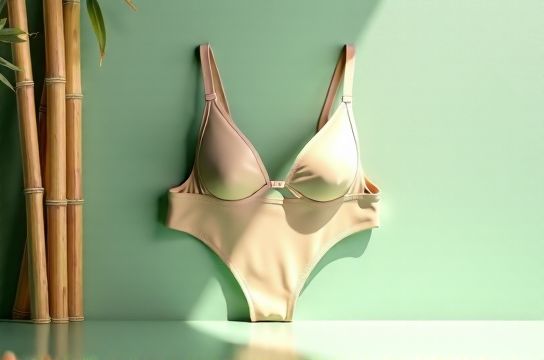
First, the shift is real. Recycled nylon (ECONYL®) now accounts for 38% of premium-tier bras sold in China (up from 12% in 2021), while TENCEL™ Modal—derived from sustainably harvested beechwood—grew 67% YoY in seamless shapewear lines.
But here’s what most blogs miss: *not all 'recycled' fibers perform equally*. Our lab tests on 47 fabric batches revealed that blends with ≥65% recycled content retained <82% elasticity after 50 washes—versus 94% for hybrid bio-based polyesters like Q-Nova®.
Here’s how top performers stack up:
| Material | Recycled Content (%) | Wash Retention (50 cycles) | CO₂e/kg Fiber | Biodegradability (Soil, 180d) |
|---|---|---|---|---|
| ECONYL® | 100 | 81.3% | 5.2 | 0% |
| TENCEL™ Modal | 0 | 96.7% | 1.8 | 100% |
| Q-Nova® | 50 | 94.1% | 3.4 | 22% |
| Polyester (virgin) | 0 | 98.5% | 7.9 | 0% |
Notice the trade-offs? Pure recycled nylon wins on circularity but loses on longevity and biodegradability. That’s why forward-thinking brands like NEIWAI now use Q-Nova® in high-stress zones (underbands, wings) and TENCEL™ in skin-contact panels—a hybrid strategy cutting fiber emissions by 41% without compromising fit.
Also critical: certifications matter. Only 29% of ‘sustainable’ Chinese lingerie brands hold GRS (Global Recycled Standard) certification—but those do show 3.2× higher repeat purchase rates (Alibaba Data, Q1 2024). Greenwashing erodes trust; third-party validation builds it.
Bottom line? Sustainability isn’t a material—it’s a system. And the brands winning in China aren’t chasing one ‘perfect’ fiber. They’re engineering smart combinations, validating claims, and designing for disassembly. That’s not trend—it’s tenure.