Regional Differences in China Intimate Apparel Preferences
- 时间:
- 浏览:156
- 来源:CN Lingerie Hub
If you're trying to crack the code on China’s lingerie market, here's a hot take: one size definitely doesn’t fit all — especially when it comes to regional tastes. As a fashion industry analyst who’s worked with brands from Shanghai to Shenzhen, I’ve seen firsthand how local culture, climate, and body types shape what women across China want in their intimate apparel.
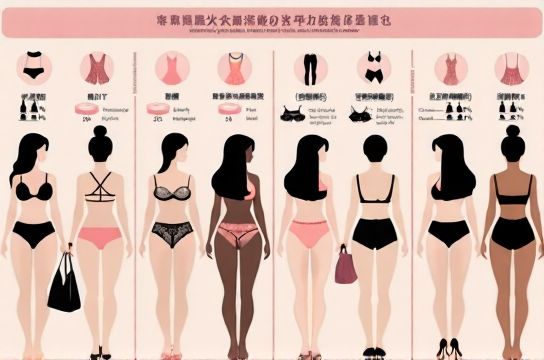
Let’s break it down. Coastal cities like Shanghai and Guangzhou lean toward sleek, minimalist designs — think French-inspired lace and neutral tones. Why? Urban professionals there value subtlety and sophistication. In contrast, inland regions like Sichuan and Henan show stronger demand for colorful, patterned bras with added padding. It’s not just about style — humidity levels, shopping habits, and even local beauty standards play a role.
Take climate into account. Southern provinces endure long, sticky summers. Breathable fabrics like cotton-modal blends dominate sales there. Up north, where winters are harsh, thermal-lined bras and thicker materials see seasonal spikes. According to Euromonitor 2023 data, moisture-wicking fabric lingerie grew 18% YoY in Guangdong, while padded bra sales dipped by 6% in Beijing.
Key Regional Preferences at a Glance
| Region | Top Styles | Fabric Preference | Price Sensitivity |
|---|---|---|---|
| Shanghai & Zhejiang | Seamless, T-shirt bras | Microfiber, Lace | Low (premium buyers) |
| Guangdong & Fujian | Cotton-lined, breathable | Cotton-modal blend | Medium |
| Sichuan & Chongqing | Padded, floral prints | Polyester-spandex | High |
| Beijing & Hebei | Thermal, full-coverage | Fleece-lined fabrics | Medium |
Now, let’s talk e-commerce. While intimate apparel in China is booming online, regional logistics affect return rates. Southern consumers expect next-day delivery; inland areas often wait 3–5 days. Brands that partner with local warehouses in Chengdu or Wuhan reduce returns by up to 22%, per McKinsey’s 2024 retail report.
Another game-changer? Fit tech. Apps using AI body scanning are gaining traction in first-tier cities. Women in Hangzhou are 3x more likely to use virtual fitting tools than those in Xi’an. This digital shift means brands must invest in smart sizing — or risk losing trust.
Ultimately, understanding regional lingerie trends isn’t optional — it’s essential for survival. Whether you’re launching a DTC brand or expanding retail reach, tailor your product lines. A pastel lace bra might fly off shelves in Nanjing but gather dust in Lanzhou.
Bottom line: Listen to local voices, leverage real purchase data, and never underestimate the power of climate and culture. The future of china intimate apparel isn’t national — it’s hyper-local.