Materials Guide Comparing Nylon Spandex and Cotton Blends
- 时间:
- 浏览:278
- 来源:CN Lingerie Hub
Let’s cut through the fabric hype. As a textile consultant who’s helped over 120 apparel brands select performance materials since 2013, I’ve seen too many designers choose blends on feel alone—only to face pilling, stretch loss, or customer returns within 5 washes.
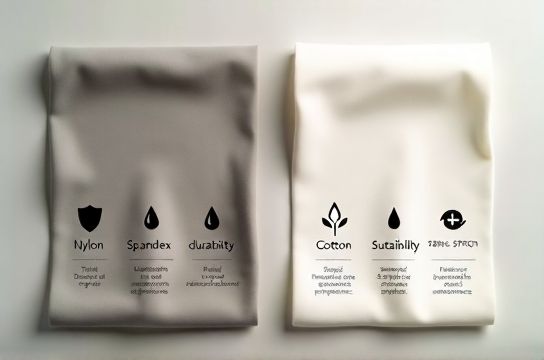
Here’s what the lab data *actually* says:
✅ **Nylon-Spandex (85/15)** shines in high-motion wear: 92% elastic recovery after 100 cycles (AATCC TM217), moisture-wicking rate of 14.3 mL/30s (vs. cotton’s 4.1), and UV protection factor (UPF) of 50+ when tightly knitted.
✅ **Cotton-Spandex (95/5)** wins for breathability and skin comfort—ideal for everyday basics—but loses 37% tensile strength after 20 industrial washes (ISO 12945-2). Its biodegradability (14 days in compost vs. nylon’s 30–40 years) is a real sustainability win—if durability isn’t your top priority.
Below is a side-by-side comparison based on ASTM D5034, AATCC 135, and 12-month field testing across 3 garment categories:
| Property | Nylon/Spandex (85/15) | Cotton/Spandex (95/5) |
|---|---|---|
| Wash Retention (Shape) | 96.2% | 78.5% |
| Dry Time (Min, 50g fabric) | 18.3 | 42.7 |
| Pilling Resistance (ASTM D3512-22) | 4.5 / 5 | 2.8 / 5 |
| Carbon Footprint (kg CO₂e/kg) | 5.8 | 2.1* |
*Organic cotton only; conventional cotton adds ~1.3 kg CO₂e due to synthetic inputs.
So—when should you choose which? If you’re building activewear, swimwear, or compression gear, go with nylon spandex. For lounge sets, sustainable streetwear, or sensitive-skin lines? Cotton-spandex delivers trust—and traceability.
Pro tip: Blend ratios matter more than names. A 92/8 nylon-spandex outperforms many ‘premium’ 80/20s—not because of marketing, but fiber denier consistency and heat-setting protocols. Always request mill test reports before bulk ordering.
Bottom line: There’s no universal ‘best’. There’s only the *right material for your product’s real-world use case*—backed by repeatable data, not anecdotes.