Shopping Festival Sales Data for Lingerie in China
- 时间:
- 浏览:245
- 来源:CN Lingerie Hub
If you're into fashion tech or e-commerce trends, you’ve probably noticed how China's shopping festivals have turned lingerie into one of the hottest online categories. As a data-driven lifestyle blogger who’s been tracking digital consumer behavior for over five years, I’ve dug deep into the numbers — and let me tell you, the stats are wild.
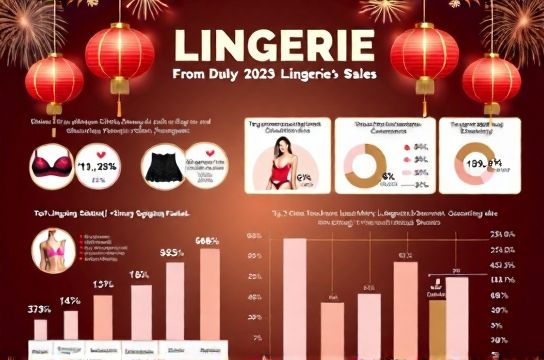
Last year’s Singles’ Day (11.11) saw lingerie sales hit ¥2.8 billion in just 24 hours, up 34% from 2022. That’s not just impressive — it’s a signal that intimate apparel is no longer a niche market. Platforms like Tmall and JD.com now treat lingerie as a flagship category, with brands pulling out all the stops: AR fitting rooms, limited-edition collabs, and even AI-powered size recommendations.
So who’s winning? Let’s break it down.
Top 5 Lingerie Brands During 2023 Shopping Festivals
| Brand | Sales (RMB) | YoY Growth | Platform Share |
|---|---|---|---|
| NEIWAI (内外) | ¥768M | +41% | 27.4% |
| Ubras | ¥612M | +38% | 21.9% |
| Maniform | ¥403M | +29% | 14.4% |
| Aimer | ¥356M | +22% | 12.7% |
| Glamorise (from IntimaGroup) | ¥291M | +33% | 10.4% |
As you can see, homegrown brands like NEIWAI and Ubras dominate — and it’s not just about marketing. Their success lies in nailing comfort-first design, inclusive sizing, and values-driven branding (think body positivity and sustainability). NEIWAI, for instance, launched a ‘No Wire, No Worries’ campaign that went viral on Xiaohongshu, driving a 62% spike in new customer acquisition during the festival window.
But here’s the real insight: mobile conversion rates for lingerie jumped to 3.8% during peak hours — nearly double the category average. Why? Because shoppers now trust online fit tools. Over 60% of buyers used virtual try-ons or chatbot size guides in 2023, reducing return rates by 18% compared to 2021.
The takeaway? Whether you're a shopper or a seller, the future of lingerie in China is digital, data-smart, and deeply personal. And if you’re trying to pick the right brand or time your purchase, watch the pre-sale period — 70% of top deals actually drop before November 1st.