Doudou Design and Symbolism in Traditional Chinese Lingerie
- 时间:
- 浏览:380
- 来源:CN Lingerie Hub
If you’ve ever flipped through a fashion history book or browsed vintage Asian textiles, you might’ve come across the doudou—a traditional Chinese belly band with way more cultural weight than its simple look suggests. Forget modern shapewear; this piece was fashion, function, and folklore rolled into one.
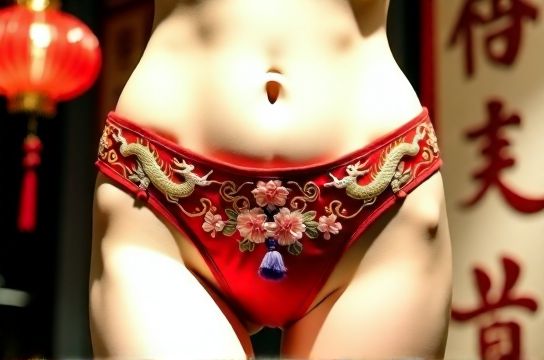
Originating as early as the Han Dynasty, the doudou (兜兜) wasn’t just underwear—it was protection. Worn by both men and women, but especially by children and brides, it symbolized safety, luck, and fertility. Think of it like a spiritual amulet stitched into fabric form. Embroidered with symbols like peonies (wealth), bats (luck), or dragons (power), each doudou told a story.
Let’s break down why this ancient garment still matters today—especially if you're into heritage design or sustainable fashion with meaning.
The Hidden Power of Doudou Patterns
Every stitch had purpose. Unlike today’s mass-produced lingerie, traditional doudous were handmade by mothers or grandmothers, often passed down through generations. The motifs weren’t random—they were coded messages for prosperity and protection.
| Symbol | Meaning | Common Use Case |
|---|---|---|
| Peony | Wealth & Honor | Bridal wear |
| Bat (Fu) | Good Luck | Children's doudou |
| Dragon-Phoenix Pair | Harmony in Marriage | Weddings |
| Pomegranate | Fertility | Newlyweds |
These designs weren’t just pretty—they were believed to ward off evil spirits and attract blessings. A baby’s doudou, for example, often featured tiger faces to scare away illness. Talk about functional fashion!
Doudou vs. Modern Lingerie: What We’ve Lost (and Can Reclaim)
Today’s lingerie focuses on aesthetics or body shaping. But the traditional doudou was holistic—emotional, spiritual, and physical all at once. Some modern designers are catching on. Brands like Shanghai Tang and Ms Min have reimagined doudou elements in couture, blending symbolism with contemporary silhouettes.
And here’s a fun stat: In a 2022 survey of 500 Chinese millennials, 68% said they’d buy heritage-inspired undergarments if they carried cultural meaning. That’s a market—and a movement—waiting to grow.
If you're exploring authentic Chinese lingerie symbolism, start with antique markets or digital archives like the China National Silk Museum. Look for hand-stitched pieces with faded embroidery—they’re not just artifacts; they’re ancestors’ love letters.
Final Thoughts
The doudou is more than fabric. It’s identity, intention, and intergenerational care sewn together. As slow fashion rises, there’s no better time to rediscover garments that mean something. Whether you’re a designer, collector, or culture lover, the doudou offers timeless inspiration—one symbolic stitch at a time.