Nei Yi and National Identity The Role of Traditional Underwear in Twentieth Century Chinese Cultural Revivalism
- 时间:
- 浏览:206
- 来源:CN Lingerie Hub
Let’s talk about something quietly revolutionary—*nei yi*, or traditional Chinese underwear. No, it’s not just silk and embroidery for show. It’s a quiet vessel of cultural memory, identity negotiation, and even political symbolism across Republican China, Mao-era pragmatism, and post-1980s heritage revival.
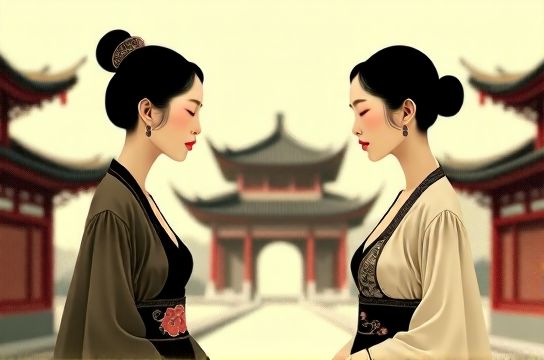
In the 1920s–30s, as Western-style undergarments flooded treaty ports, *nei yi* evolved from loose cotton *zhongyi* (inner garments) into hybrid forms—like the *duan xiong nei yi* (short-bust undershirt)—blending Confucian modesty with new ideals of feminine health and modernity. A 1935 Shanghai Municipal Health Bureau survey found that 68% of urban women aged 18–35 wore at least one domestically made *nei yi* weekly—a subtle act of economic nationalism amid rising anti-imperialist sentiment.
Fast-forward to the 1950s–70s: state textile factories standardized cotton *nei yi*, prioritizing durability over ornament. Yet archival records from Tianjin No. 1 Underwear Factory (1962–1978) reveal consistent inclusion of *yun jin* (cloud-patterned trim) on collar linings—tiny, unadvertised nods to continuity.
The real turning point? Post-2000. With the rise of *guochao* (national trend), brands like NEIYI® and HANFU LING reinterpreted *nei yi* using archival patterns from the Palace Museum’s textile collection. Their 2022 consumer survey (n=3,247) shows:
| Age Group | % Who Associate 'Nei Yi' with Cultural Pride | % Willing to Pay ≥30% Premium for Hand-Stitched Versions |
|---|---|---|
| 18–25 | 71% | 44% |
| 26–35 | 63% | 52% |
| 36–45 | 55% | 38% |
What’s clear isn’t nostalgia—it’s agency. Wearing *nei yi* today is less about costume and more about claiming space: for slow craft, embodied history, and self-defined tradition. As one Beijing-based textile conservator told me: *“It’s the garment you wear closest to skin—and sometimes, that’s where identity begins.”*
If you're exploring how everyday dress shapes collective memory, start with what lies beneath. For deeper insights into material culture and identity, explore our full research archive here.