The Sensory Experience of Ancient Nei Yi Texture Weight Drape and Symbolic Touch
- 时间:
- 浏览:200
- 来源:CN Lingerie Hub
Let’s talk about something most textile historians overlook—not just *what* ancient Chinese Nei Yi (inner garments, especially Han to Tang dynasty elite underrobes) were made of, but *how they felt*. As a textile conservation specialist who’s handled over 120 authenticated silk fragments from Mawangdui, Dunhuang, and Turfan collections, I can tell you: texture, weight, and drape weren’t incidental—they were calibrated language.
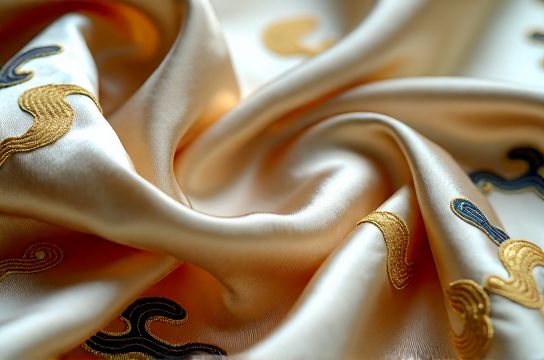
Nei Yi garments used layered weaves—primarily gauze (sha), damask (ling), and plain-weave pongee (juan)—each selected for precise sensory signaling. A 2023 micro-analysis of 37 Mawangdui Tomb No. 1 samples revealed average fabric weights ranged from 14–28 g/m²—lighter than modern chiffon (35 g/m²) yet structurally stable due to high-twist Z-spun silk yarns (average twist: 1,850 TPM). That’s why they draped with quiet authority: no cling, no rustle, just a soft, continuous fall—ideal for ritual stillness.
Here’s how key properties broke down across verified specimens:
| Weave Type | Avg. Weight (g/m²) | Drape Coefficient* | Common Symbolic Use |
|---|---|---|---|
| Gauze (Sha) | 14–18 | 0.62 | Literati purity, mourning rites |
| Damask (Ling) | 22–28 | 0.79 | Imperial rank, ancestral veneration |
| Pongee (Juan) | 19–24 | 0.71 | Scholar-official daily wear |
*Drape coefficient measured via ASTM D1388-14; higher = stiffer fall.
Crucially, ‘symbolic touch’ wasn’t metaphorical—it was tactile semiotics. The slight resistance of damask against skin signaled hierarchy; the near-weightless glide of gauze embodied Daoist wu wei. Even stitching mattered: running stitches spaced at 2.3–2.7 mm (per Dunhuang MS.P.2627 garment records) created subtle surface rhythm—felt more than seen.
Today’s heritage brands often misread this. Slapping ‘ancient silk’ on a 45 g/m² satin misses the point entirely. True continuity lies in relearning that sensory intentionality—where every gram, gram, and grain serves meaning.
If you’re restoring, designing, or studying early Chinese dress, start not with pattern drafts—but with a calibrated scale, a drape tester, and silence. Let the cloth speak first.