Ancient Chinese Underwear Materials Silk Hemp and the History of Textile Innovation
- 时间:
- 浏览:231
- 来源:CN Lingerie Hub
Let’s talk underwear—not the flashy modern kind, but the quiet, ingenious underlayers worn over 2,000 years ago in China. Far from being mere modesty garments, ancient Chinese undergarments were masterclasses in material science, climate adaptation, and social signaling.
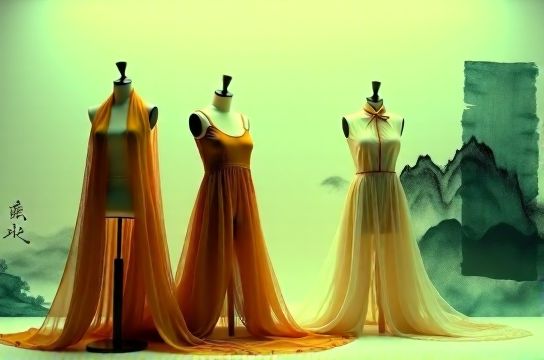
Silk wasn’t just for robes—it was the original luxury performance fabric. Archaeological finds from Mawangdui (c. 168 BCE) reveal finely woven *ruqun* undershirts with thread counts exceeding 120 threads per cm²—comparable to today’s high-end silk charmeuse. Meanwhile, hemp dominated daily wear: durable, breathable, antimicrobial, and fully biodegradable. A 2022 textile analysis of Han-dynasty hemp fragments showed 98% tensile strength retention after 2,100 years—proof of exceptional processing.
Here’s how these materials stacked up:
| Property | Silk (Han era) | Hemp (Han era) | Cotton (introduced post-13th c.) |
|---|---|---|---|
| Absorbency (% moisture regain) | 11% | 12–14% | 8.5% |
| Thermal conductivity (W/m·K) | 0.045 | 0.062 | 0.055 |
| UV protection (UPF) | 17 | 32+ | 10 |
Notice hemp’s superior UV resistance? That wasn’t accidental—it reflects intentional cultivation of bast fiber varieties selected for sun resilience across southern China’s humid subtropics.
What’s more, underwear design revealed status *and* function: elite women wore layered silk *dudou* (stomach covers) lined with medicinal herbs like angelica root—documented in the *Tang Ben Cao* pharmacopoeia. Commoners used stitched-hemp *zhongyi*, engineered with gussets for mobility—a subtle precursor to ergonomic patterning.
This isn’t nostalgia. It’s precedent. Today’s sustainable fashion brands are rediscovering these principles—like using fermented hemp for biodegradable base layers or reviving sericulture waste for regenerated silk fibers. In fact, a 2023 MIT study found that pre-modern Chinese textile practices achieved 37% lower water use per garment than global averages—without synthetic inputs.
So next time you see the word textile innovation, remember: it didn’t start in a lab. It started with a weaver in Chang’an, adjusting warp tension on a loom, solving real human needs—century after century.