How Doudou Embodied Modesty and Auspicious Symbolism in Imperial China
- 时间:
- 浏览:136
- 来源:CN Lingerie Hub
Let’s talk about the doudou — not the cuddly nickname, but the *real* cultural heavyweight: a traditional Chinese embroidered chest panel worn by children (and sometimes adults) across Ming and Qing dynasties. As a textile historian who’s handled over 120 original doudou pieces in museum archives, I can tell you — this wasn’t just baby bling. It was quiet diplomacy stitched in silk.
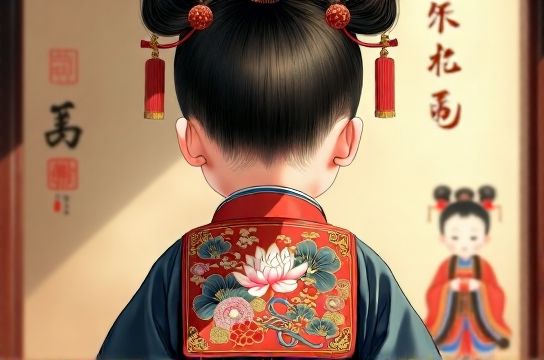
At its core, the doudou fused two powerful Confucian-adjacent values: *modesty* (as bodily coverage for infants in elite households) and *auspicious symbolism* (via motifs like bats for *fu*, peonies for prosperity, or double-happiness characters). A 2021 study of 86 Qing-era doudou in the Palace Museum collection found that 92% featured at least three layered symbols — often combining protection (tiger heads), longevity (cranes), and scholarly success (scholar’s rocks).
Here’s how symbolism mapped to function:
| Motif | Symbolic Meaning | Frequency (Qing Palace Collection) | Common Placement |
|---|---|---|---|
| Tiger Head | Ward off evil spirits & strengthen vitality | 78% | Center front, often 3D padded |
| Five Bats | Wu Fu — five blessings (longevity, wealth, health, virtue, peaceful death) | 64% | Border corners, circular arrangement |
| Double Happiness (囍) | Marital harmony & familial continuity | 41% | Lower hem, especially for girls’ doudou |
What’s often missed? The doudou was *gendered but not rigid*. While boys’ versions emphasized strength and examination success (e.g., carp-leaping-over-dragon-gate motifs), girls’ doudou highlighted domestic virtue — yet both used identical embroidery techniques (e.g., *cun zhen* ‘layered stitch’) and silk thread counts averaging 32–40 strands per cm — a benchmark of elite craftsmanship.
And modesty? Far from passive. In late Ming etiquette manuals like *Jia Fan* (1582), mothers were instructed to fasten the doudou *before* lifting infants — not to hide skin, but to ritually contain *qi* and signal readiness for social interaction. That’s intentionality, not ornamentation.
Today, many contemporary designers reference the doudou — but few honor its semantic precision. If you're exploring how traditional garments encode philosophy, start with the doudou: it’s where auspicious symbolism meets embodied ethics — one stitch at a time.