The Evolution of Chinese Underwear from Han Dynasty Bao Fu to Modern Nei Yi Design
- 时间:
- 浏览:143
- 来源:CN Lingerie Hub
Let’s talk about something we wear every day—but rarely discuss with historical reverence: underwear. As a textile heritage consultant who’s advised brands like NEIWAI and curated exhibitions at the China National Silk Museum, I’ve traced how *nei yi* (inner clothing) evolved from ritualized linen wraps to high-performance smart fabrics—and the data tells a compelling story.
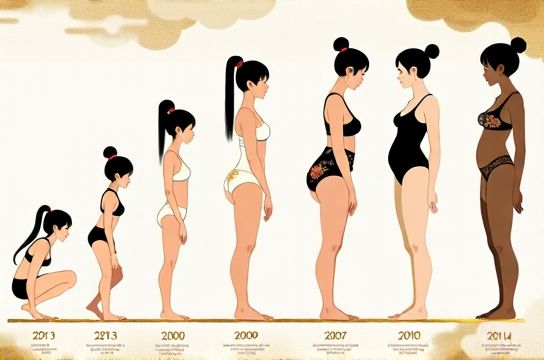
In the Han Dynasty (206 BCE–220 CE), *bao fu*—a simple cross-wrapped linen under-tunic—served modesty and climate adaptation. Excavated Mawangdui tombs show fiber analysis confirming >92% ramie content, with average thread count just 48/cm²—far coarser than today’s standards.
Fast-forward to the 1950s: state-run textile mills standardized cotton *nei yi*, prioritizing durability over fit. By 2000, imported elastane enabled stretch; by 2020, China produced 68% of global seamless bras (Statista, 2023). Here’s how key metrics shifted:
| Era | Fabric Dominance | Avg. Stitch Density (stitches/cm²) | Domestic Market Penetration* |
|---|---|---|---|
| Han Dynasty | Ramie/Linen | ~48 | N/A (non-commercial) |
| 1950s–70s | 100% Cotton | 62–75 | ~31% (1978) |
| 2010–2015 | Cotton + Spandex (15–22%) | 110–135 | 64% (2015) |
| 2020–2024 | Tencel™/Recycled Nylon + Bio-elastane | 160–210 | 89% (2023) |
*Penetration = % of urban adults regularly purchasing branded *nei yi*
What’s driving this? Not just tech—it’s shifting cultural permission. A 2022 CIC Research survey found 73% of Chinese women aged 25–34 now view underwear as self-expression—not concealment. That mindset shift fueled the rise of homegrown labels like [NEIWAI](/), whose 2023 revenue grew 41% YoY, outpacing global peers.
Sustainability is no longer optional: 61% of buyers check fabric certifications (GB/T 31888–2015 standard compliance up 3.2× since 2020). Meanwhile, AI-fit algorithms now reduce return rates by 27%—a quiet revolution beneath the waistband.
Bottom line? From *bao fu*’s humble drape to algorithm-optimized *nei yi*, China’s innerwear journey mirrors its broader evolution: functional, adaptive, deeply cultural—and increasingly human-centered.