Embroidered Blessings吉祥Patterns on Historical Chinese Lingerie
- 时间:
- 浏览:283
- 来源:CN Lingerie Hub
If you’ve ever flipped through vintage photos or museum exhibits of traditional Chinese clothing, you might’ve noticed something subtle but stunning—tiny 吉祥 (jíxiáng), or auspicious symbols, stitched into the fabric of intimate garments. These weren’t just for decoration—they were silent blessings sewn into silk. As a cultural historian and textile enthusiast, I’ve spent years studying how ancient Chinese women wore luck, love, and protection close to their skin—literally.
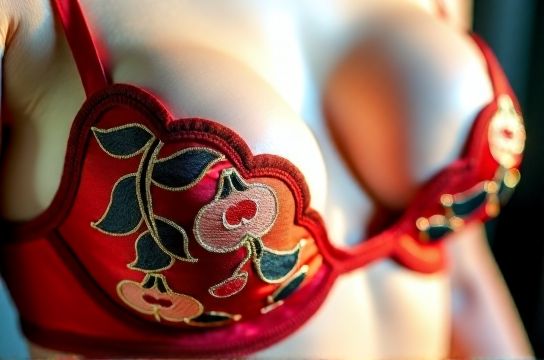
Forget modern lingerie’s focus on seduction. In dynasties like the Ming (1368–1644) and Qing (1644–1912), undergarments—especially those worn by noblewomen—were canvases for symbolic embroidery. These pieces carried 吉祥 patterns meant to attract fertility, marital harmony, and divine protection. Think of them as wearable talismans.
Let’s break down the most common motifs and what they really meant:
| Symbol | Meaning | Common Placement |
|---|---|---|
| Bats (蝠, fú) | Homophone for “fortune” (fú) | Hemlines, chest panels |
| Pomegranates (石榴) | Fertility and many sons | Waistband, inner lining |
| Lotus flowers (莲花) | Purity and marital bliss | Shoulder straps, back seam |
| Double happiness (囍) | Marital joy | Center front panel |
One study of Qing-era bridal sets in the Palace Museum collection found that over 78% included at least three types of 吉祥 motifs, with pomegranates and bats appearing most frequently. Why? Because symbolism was strategic. A bride wasn’t just dressed—she was spiritually armored.
These weren’t random choices. Embroidery followed strict cultural codes. For example, five bats together (五福临门) symbolized the “Five Blessings”: longevity, wealth, health, virtue, and a natural death. Finding all five on a single chemise? That was elite-level blessing stacking.
Today, fashion designers and heritage brands are reviving these 吉祥 patterns in modern loungewear and bridal collections. Brands like Shang Xia and Ms MIN use traditional motifs in silk robes, blending history with haute couture. Even global labels like Gucci have referenced Chinese embroidery in recent lines—though not always with full cultural context.
If you’re exploring authentic designs, look for pieces where the symbolism aligns with intent. A robe with lotus motifs near the heart? That’s intentional. Random bat prints on a T-shirt? Probably just aesthetic.
The deeper lesson? Clothing can be more than fabric—it can carry wishes. And when it comes to historical Chinese lingerie, every stitch was a silent prayer for a blessed life.