Traditional Chinese Underwear and the Philosophy of Modesty
- 时间:
- 浏览:357
- 来源:CN Lingerie Hub
If you’ve ever wondered how culture shapes something as personal as underwear, let’s talk about traditional Chinese underwear — it’s way more fascinating than you’d think. Forget tight laces and bold prints; historically, Chinese undergarments were all about comfort, modesty, and harmony with nature. As a cultural blogger who’s spent years diving into East Asian textile history, I’m here to break down why these ancient styles still influence modern fashion — and mindset.
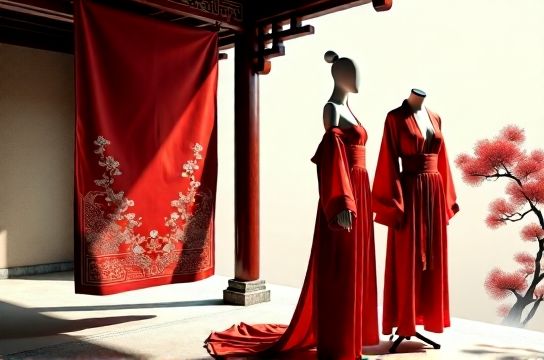
Let’s start with *dudou* (肚兜), the most iconic piece of traditional Chinese underwear. Worn for over 2,000 years, this rhombus-shaped garment wraps around the torso, tied at the neck and waist. Unlike Western corsets that reshape the body, the *dudou* was designed to protect the abdomen — considered the center of health in traditional Chinese medicine. Many were embroidered with symbols like peonies (for prosperity) or dragons (for power), blending function with spiritual meaning.
But why did modesty dominate design? In Confucian thought, covering the body wasn’t just about propriety — it reflected inner virtue. Exposing skin was seen as disruptive to social harmony. This philosophy shaped everything from daily wear to bridal customs. Even today, older generations in rural China may still wear simplified *dudou* for health reasons, especially during winter.
Here’s a quick look at how traditional underwear varied across dynasties:
| Period | Style | Material | Cultural Significance |
|---|---|---|---|
| Tang Dynasty (618–907) | Loose silk dudou | Silk, cotton | Symbolized openness and cosmopolitan taste |
| Ming Dynasty (1368–1644) | Fitted, highly embroidered | Silk with gold thread | Reflected social status and family wealth |
| Qing Dynasty (1644–1912) | Longer torso coverage | Cotton, brocade | Emphasized modesty under Manchu rule |
You’ll notice a shift post-19th century, when Western-style undergarments entered China through trade ports like Shanghai. By the 1920s, urban women began mixing *dudou* with bras — a blend of old and new values. Today, some designers are reviving the dudou as high-fashion statements. Labels like Shanghai Tang and Ms MIN use its silhouette in modern blouses and evening wear, proving that tradition can be trendy.
Interestingly, the idea of ‘inner wear reflecting inner self’ still resonates. A 2022 survey by the Beijing Institute of Fashion found that 68% of Chinese millennials prefer minimalistic underwear — citing comfort and ‘energy balance’ as reasons. That’s not just style; it’s a quiet nod to ancestral beliefs.
So next time you’re choosing what to wear underneath, think beyond fabric and fit. Could your underwear philosophy reflect a deeper value — like balance, modesty, or intentionality? In a world obsessed with exposure, maybe there’s wisdom in covering up.
Whether you're into historical fashion or mindful living, the legacy of traditional Chinese underwear offers more than nostalgia — it offers perspective.