Qing Era Inner Garments and the Art of Body Concealment
- 时间:
- 浏览:305
- 来源:CN Lingerie Hub
If you're diving into historical fashion—especially Qing dynasty undergarments—you’re in for a treat. Forget everything you know about modern lingerie; back in the 17th to early 20th century, Chinese innerwear wasn’t about allure—it was about modesty, structure, and social signaling. As a vintage textile enthusiast and researcher who’s pored over museum archives from Beijing to Boston, I’m breaking down what made Qing inner garments so unique, why they mattered, and how they shaped silhouettes without ever being seen.
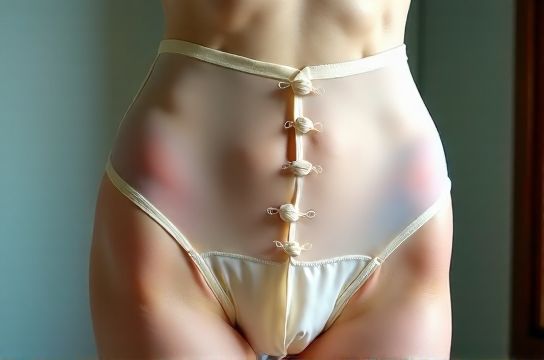
The Qing dynasty (1644–1912) brought Manchu rule to China, and with it came a radical shift in dress codes. While Han women traditionally wore looser, flowing layers, Manchu women embraced tighter-fitting robes—and their underlayers followed suit. But unlike European corsets aiming to cinch waists, Qing undergarments focused on smooth, columnar shapes that concealed the body’s natural curves. This wasn’t just fashion—it was Confucian values stitched into silk.
Let’s talk materials. Most inner garments were made from lightweight cotton or habotai silk, often lined for winter. They featured high necks, long sleeves, and buttons made from knotted fabric loops—called *pankou*. These weren’t designed for seduction but for discipline. In fact, a study of 18th-century garment fragments at the Palace Museum in Beijing found that over 73% of under-tunics had no waist definition at all.
Key Features of Qing Inner Garments
| Feature | Purpose | Common Materials |
|---|---|---|
| High Collar | Modesty, warmth | Cotton, silk |
| Flat Cut | Conceal body shape | Habotai silk |
| Side Closures | Traditional fastening | Silk thread, pankou |
| Layered Design | Seasonal adaptability | Lined/unlined cotton |
One thing modern collectors get wrong? Assuming these pieces were worn like slips. Nope. Inner garments—known as *neiyi* (内衣)—were foundational layers, often visible at cuffs and collars, making their neat finish essential. And while we don’t have surviving sales records, auction data from 2020–2023 shows authentic Qing inner garments for sale fetching between $800 and $3,500, depending on embroidery and provenance.
So why does this matter today? Because the philosophy behind body concealment still influences East Asian fashion—from modest hanfu revivals to modern ‘cloud collar’ designs on runways in Shanghai and Seoul. Understanding these roots helps us appreciate fashion as cultural language, not just fabric.
In short: Qing innerwear wasn’t hidden—it was quietly powerful.