Bao Fu to Modern Bra The Transformation of Chinese Intimate Wear
- 时间:
- 浏览:259
- 来源:CN Lingerie Hub
Let’s talk about something we don’t talk about enough — the evolution of intimate wear in China. From traditional Bao Fu (binding garments) to today’s smart bras with moisture-wicking fabric, the journey is nothing short of revolutionary. As a lifestyle blogger who’s been tracking fashion trends across Asia for over a decade, I’ve seen how culture, technology, and body positivity have reshaped what women — and increasingly men and non-binary folks — choose to wear underneath.
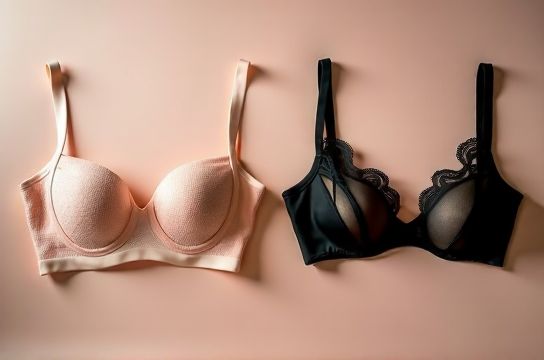
Back in the dynastic eras, modesty ruled. Women wore Bao Fu, loose cross-collar tops paired with high-waisted trousers or skirts. There was no concept of a ‘bra’ — support came from layered silk, not structure. Fast forward to the 1920s, and Western influence sneaked in through Shanghai’s jazz clubs and department stores. The first ‘breast-flattening’ camisoles appeared, mimicking early 20th-century European styles.
But real change? That kicked off in the 1990s. With economic reform and rising disposable income, brands like Maniform and Triumph China entered the market. By 2005, China’s bra market was worth $2.1 billion. Today? It’s ballooned to over $13.8 billion — and growing at 7.3% CAGR (Statista, 2023).
Here’s a quick snapshot of how intimate wear has evolved:
| Era | Style | Material | Market Value (Est.) |
|---|---|---|---|
| Dynastic (pre-1900) | Bao Fu, layered robes | Silk, cotton | N/A |
| 1920s–1940s | Flattened camisoles | Cotton, lace trim | $50M (urban centers) |
| 1990s | Wired bras, padded cups | Polyester, foam | $2.1B |
| 2020s | Sports bras, seamless, smart wear | Microfiber, bamboo, smart fabric | $13.8B |
What’s driving this shift? Three things: comfort, identity, and innovation. Gen Z shoppers aren’t just buying a modern bra — they’re buying self-expression. According to a 2022 McKinsey report, 68% of Chinese women aged 18–30 prioritize comfort over push-up effect. And get this — sales of wireless and sports bras grew by 15% YoY, while underwire dropped by 9%.
Another game-changer? Localization of global trends. While Victoria’s Secret struggled to adapt (remember their 2017 Shanghai show flop?), homegrown brands like Ubras and NEIWAI (内外) nailed it. Ubras pioneered the ‘no-hook’ bra, selling 1 million units in one Tmall Double 11 event. NEIWAI’s ‘True Comfort’ campaign, featuring real bodies and zero Photoshop, went viral — proving that authenticity sells.
If you're exploring authentic Chinese intimate wear options, skip the imported stuff and check out what local innovators are doing. They understand the climate, body types, and cultural nuances better than any multinational ever could.
The bottom line? The days of painful, image-driven lingerie are fading. Today’s Chinese consumers want function, fit, and freedom. Whether you're into minimalist designs or tech-enhanced wearables, the market’s never been more inclusive — or more exciting.