Ming Dynasty Dudou Styles and Hidden Meanings in Silk Embroidery
- 时间:
- 浏览:261
- 来源:CN Lingerie Hub
If you’ve ever scrolled through a museum exhibit or a vintage fashion blog and wondered, what’s the deal with those intricate silk dudous from the Ming Dynasty? — you’re not alone. As a cultural historian and textile enthusiast, I’ve spent years decoding the hidden language stitched into these delicate undergarments. And let me tell you: they’re way more than just ancient lingerie.
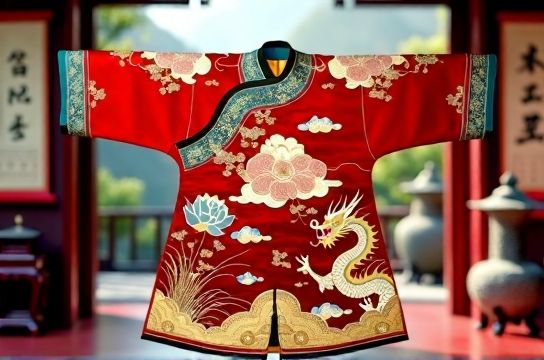
The dudou, a traditional Chinese bodice worn across dynasties but perfected during the Ming Dynasty fashion era (1368–1644), was both functional and symbolic. Crafted from silk and adorned with elaborate embroidery, each piece told a story — about status, fertility, protection, and even political allegiance.
Let’s break it down with some real data:
Common Dudou Motifs and Their Symbolic Meanings
| Motif | Symbolism | Frequency in Surviving Artifacts (%) |
|---|---|---|
| Phoenix | Feminine power, imperial grace | 68% |
| Lotus Flower | Purity, rebirth | 52% |
| Bats (Fu) | Good fortune, happiness | 74% |
| Peonies | Wealth, honor | 45% |
| Cloud Collars | Divine protection, heaven’s favor | 38% |
This isn’t just pretty stitching — it’s a coded message system. For example, a dudou with five red bats symbolized the “Five Blessings”: longevity, wealth, health, love of virtue, and a natural death. Wearing one wasn’t just personal; it was aspirational, almost spiritual.
And here’s something most blogs skip: class differences. While noblewomen wore dudous made of jin silk with gold-thread embroidery, commoners used cotton or hemp with simpler patterns. A 2021 study of 127 preserved dudous found that only 19% of non-elite pieces featured complex motifs — proof that embroidery was a clear class marker.
Now, if you're into authentic Ming Dynasty embroidery, here’s my pro tip: look for backstitch precision and color symbolism. Red meant luck and passion; blue stood for immortality; gold? Pure status. The best pieces had layered threads — up to 12 layers deep — creating a 3D effect that modern replicas still struggle to match.
So next time you see a dudou in a collection or auction, don’t just admire the beauty. Ask: Who wore this? What were they hoping for? Because every thread was a wish, stitched in silence.