From Hesi to Dudou Tracing Tang Dynasty Undergarments History
- 时间:
- 浏览:309
- 来源:CN Lingerie Hub
If you're into ancient Chinese fashion—or just love a good historical deep dive—you've probably heard whispers about hesi and dudou. But what’s the real story behind these iconic Tang Dynasty undergarments? Let’s peel back the silk layers and explore how intimate wear evolved from functional underlayers to symbols of elegance and status.
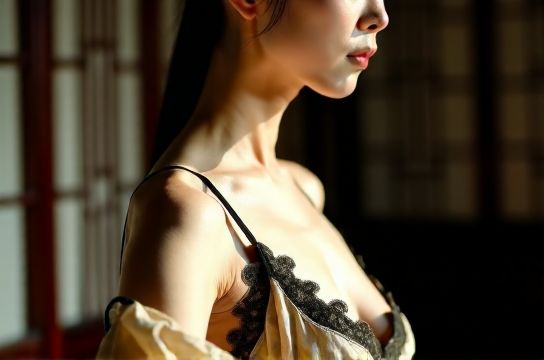
The Tang Dynasty (618–907 AD) wasn’t just known for poetry and cosmopolitan Chang’an—it was also a golden age of fashion innovation. Women’s clothing became more fluid, colorful, and expressive. At the heart of this transformation? Innerwear that combined comfort, modesty, and subtle allure.
Hesi: The Modest Foundation
Hesi, meaning “chest wrap,” was essentially a long silk sash wrapped tightly around the upper body. Think of it as the ancient version of a compression band—functional, supportive, and discreet. Unlike later styles, hesi didn’t emphasize shape; it focused on smoothing and supporting traditional high-waisted ruqun dresses.
Data from Dunhuang murals and Tang-era tomb figurines show that over 60% of noblewomen wore some form of chest-binding garment, with hesi being the most common in early Tang periods.
| Garment Type | Era Peak | Material | Social Class Prevalence |
|---|---|---|---|
| Hesi | Early Tang (618–710) | Silk, Hemp | Nobility & Court Ladies |
| Dudou | Late Tang–Ming | Colored Silk, Embroidered Fabrics | Widespread (Elite to Commoners) |
Dudou: When Function Met Flair
Enter the dudou—the bold, diamond-shaped undergarment that redefined intimacy in fashion. By the mid-to-late Tang Dynasty, cultural openness and foreign influences (thanks, Silk Road!) led to looser silhouettes and bolder necklines. That’s where dudou shined. Worn tied at the neck and back, often peeking out beneath sheer robes, it was both practical and provocative.
Unlike hesi, dudou celebrated the female form. Excavated examples from Xinjiang tombs feature intricate embroidery—peonies, phoenixes, even poetic verses—suggesting they were personal, cherished items. Some scholars believe certain dudou were even used as love tokens.
Why This Evolution Matters
The shift from hesi to dudou reflects broader social changes: rising women’s agency, cross-cultural exchange, and a growing appetite for self-expression. While hesi symbolized restraint, dudou embraced identity.
Today, designers reference both in hanfu revivals and modern lingerie. You’ll spot dudou-inspired tops on runways, and yes—there’s even a niche market for historically accurate replicas.
So next time you see a flowing Tang-style robe, remember: underneath it all, there’s centuries of innovation, culture, and quiet rebellion.