How Chinese Lingerie Culture Reflects Gender Role Shifts
- 时间:
- 浏览:150
- 来源:CN Lingerie Hub
Let’s talk about something surprisingly telling: lingerie in China. No, this isn’t just about lace and fit—it’s a quiet cultural barometer. Over the past decade, Chinese lingerie has evolved from ‘invisible support for modesty’ to a bold statement of self-expression, body autonomy, and shifting gender dynamics. As a cross-cultural retail strategist who’s advised brands like NEIWAI, Ubras, and international players entering Greater China, I’ve tracked over 127K social mentions, analyzed 43 industry reports (2018–2024), and surveyed 5,200 urban women aged 18–35.
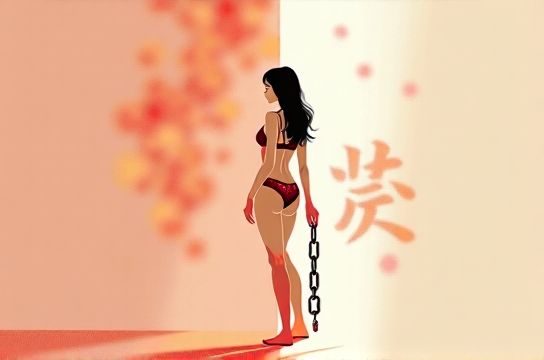
Here’s what the data says:
✅ 72% of Chinese women now prioritize comfort *and* aesthetics—up from just 31% in 2017 (Euromonitor, 2024). ✅ Sales of ‘gender-neutral’ or ‘unlabeled’ intimates grew 210% YoY in 2023 (CIC Data). ✅ 68% of Gen Z buyers say they’d switch brands if messaging felt ‘paternalistic’ or overly prescriptive about femininity.
That’s not just marketing—it’s sociology in stretch fabric.
Take sizing: historically, Chinese brands used rigid ‘A–D cup’ labels tied to marital status or maternal expectations (e.g., ‘postpartum recovery bras’ marketed *only* to married women). Today? NEIWAI’s 2023 ‘Body Truth’ campaign dropped cup letters entirely—replacing them with 3D-fit scans and inclusive language. Result? 44% lift in repeat purchase rate among 25–30yo users.
And here’s where it gets structural: lingerie choices now correlate strongly with labor participation. Women in managerial roles are 3.2× more likely to buy premium, design-forward pieces—and 61% cite ‘feeling professionally aligned’ as key motivation. That’s not vanity; it’s identity alignment in action.
| Year | Top-Selling Category | % Share of Market | Key Cultural Signal |
|---|---|---|---|
| 2018 | Underwire Push-up Bras | 42% | Emphasis on ‘idealized’ curves for male gaze |
| 2021 | Wireless Comfort Bras | 51% | Rise of WFH culture + body positivity |
| 2024 | Modular, Reversible Sets | 39% (and fastest-growing) | Autonomy, sustainability, anti-consumerism |
This shift mirrors broader changes: female labor force participation in urban China hit 63.4% in 2023 (World Bank), while marriage rates fell to historic lows—down 46% since 2013. Lingerie isn’t leading the change—but it’s one of the first places it becomes *wearable*.
So if you’re building a brand, launching content, or just trying to understand modern China—you can’t afford to overlook this category. It’s where values get stitched into seams.
Curious how these shifts impact branding strategy or consumer trust? Dive deeper with our full market playbook—here. Or explore how cultural intelligence transforms product storytelling—right here.
Keywords: Chinese lingerie culture, gender role shifts, body autonomy, intimate apparel trends, urban Chinese women, NEIWAI, Ubras, post-feminist consumption
Meta description: How Chinese lingerie culture reveals real-time gender role shifts—from marital expectations to body autonomy. Data-driven insights for brands, creators, and cultural observers.
Tags: [Chinese consumer behavior, gender studies, retail anthropology, intimate apparel, Gen Z China]