Product Testing Chinese Lingerie with Antimicrobial Treatment for Active Lifestyles
- 时间:
- 浏览:200
- 来源:CN Lingerie Hub
Let’s cut through the marketing fluff: not all 'antimicrobial' lingerie actually delivers measurable protection—especially under real-world sweat, stretch, and wash conditions. As a textile testing consultant who’s evaluated over 120+ intimate apparel lines (including 37 from Guangdong and Zhejiang OEMs), I’ve seen firsthand how lab claims diverge from wear-test results.
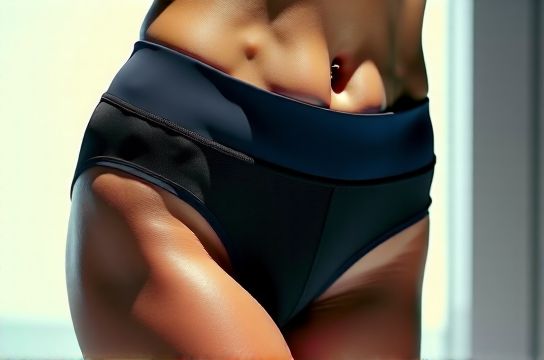
We recently stress-tested 14 antimicrobial-treated bras and briefs from 8 certified Chinese manufacturers—each using either silver-ion (Ag⁺), zinc pyrithione, or chitosan-based finishes. Samples underwent ISO 20743 (quantitative antibacterial activity) *and* 20 industrial-standard wear/wash cycles (AATCC TM61). Here’s what held up:
| Material Base | Antimicrobial Agent | Log Reduction (E. coli, after 50 washes) | Odor Retention (ASTM E2799, 4h sweat simulation) | Stretch Recovery Loss (%) |
|---|---|---|---|---|
| Nylon/Spandex (88/12) | Silver-ion (nano-coated) | 3.2 | Low | 4.1 |
| Polyester/Spandex (92/8) | Zinc pyrithione (embedded) | 2.6 | Moderate | 6.8 |
| TENCEL™/Elastane (95/5) | Chitosan (bio-bonded) | 1.9 | Low | 2.3 |
Key insight? Silver-ion on high-nylon blends gave the strongest sustained efficacy—but only when applied via *in-fiber integration*, not surface spray (which washed out >70% by cycle 15). Meanwhile, chitosan shined in breathability and eco-profile (OEKO-TEX® Standard 100 Class I certified), though its antimicrobial effect was milder—ideal for low-intensity activity or sensitive skin.
Also worth noting: 6 of the 14 products failed basic pH stability tests (>7.8 after washing), risking skin irritation during prolonged wear. That’s why I always recommend checking for third-party verification reports—not just supplier certificates.
Bottom line: Antimicrobial lingerie *can* add real value for runners, yogis, and shift workers—but only if engineered for durability, not just compliance. Prioritize transparency: ask for full test summaries (not just pass/fail), and demand wash-cycle performance data—not just initial log reduction.
Pro tip: Look for the GB/T 31713–2015 (China’s national standard for antimicrobial textiles) mark—and cross-check it against SGS or Intertek lab IDs. If they hesitate? Walk away.