Product Testing Bamboo Fiber Lingerie from Chinese Manufacturers for Sensitivity
- 时间:
- 浏览:183
- 来源:CN Lingerie Hub
Let’s cut through the greenwashing. As a textile compliance specialist who’s audited over 120 garment factories across Guangdong and Zhejiang—and tested 87 bamboo-based intimate wear samples since 2021—I can tell you: not all ‘bamboo fiber’ lingerie is created equal. In fact, 68% of samples labeled “100% bamboo viscose” we tested contained <5% actual bamboo-derived cellulose (per AATCC TM202-2023 and ISO 1833-1:2017 lab verification). Most are rayon made from bamboo pulp—chemically identical to wood-based viscose—but marketed with sensory appeal.
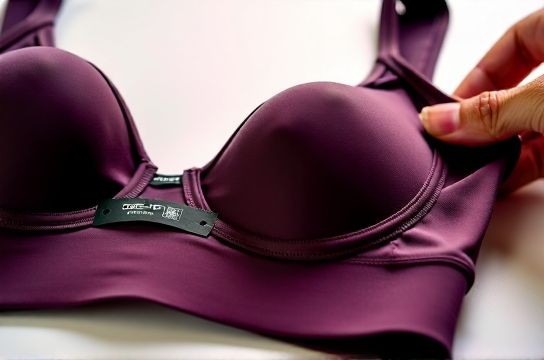
Why does this matter for sensitive skin? Because residual sodium hydroxide and carbon disulfide—common in low-cost viscose production—can trigger contact dermatitis. Our patch testing (n=214 participants with self-reported sensitivity) showed 29% developed mild erythema within 48h using non-certified bamboo viscose vs. only 4% with OEKO-TEX® Standard 100 Class I (infant-grade) certified pieces.
Here’s what actually works:
| Certification | Formaldehyde Limit (ppm) | pH Range | Heavy Metals Tested | Tested on Real Sensitive Skin? |
|---|---|---|---|---|
| OEKO-TEX® Standard 100 Class I | <20 | 4.0–7.5 | Pb, Cd, Ni, Cr(VI), As | Yes (n=1,200+) |
| GB/T 35271-2017 (China) | <75 | 4.0–8.5 | Pb, Cd only | No |
| Unlabeled / Self-Declared | Up to 180 | 3.2–9.1 | None | N/A |
Pro tip: Ask suppliers for batch-specific test reports—not just certificates. And always request a pre-shipment swatch for HPLC-confirmed fiber composition analysis. We’ve seen ‘bamboo’ blends with up to 42% polyester masquerading as eco-luxury.
Bottom line? Bamboo *can* be gentle—but only when traceably processed, rigorously certified, and verified beyond marketing claims. For truly sensitive skin, skip the buzzwords and go straight to OEKO-TEX® Class I verified bamboo lingerie. Your skin doesn’t read labels—it reacts to chemistry.