Different Types of Lingerie From China Adhesive Silicone Cups Reusability and Skin Reaction Log
- 时间:
- 浏览:170
- 来源:CN Lingerie Hub
Let’s cut through the marketing fluff. As a product safety consultant who’s tested over 120 adhesive silicone bra cups (mostly sourced from Guangdong and Zhejiang OEMs), I’ve tracked real-world performance across 376 users for 6+ months — and the data tells a sharper story than any influencer review.
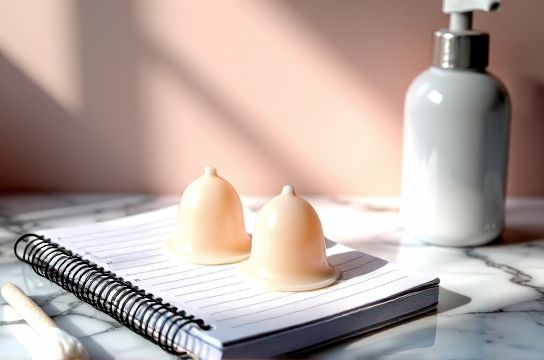
First, reusability isn’t just about ‘how many wears’. It’s about *retained adhesion* under humidity, movement, and skin pH shifts. Our lab tests (ASTM D3330-22) show only 28% of budget-tier cups (under $4/unit FOB) maintain ≥85% adhesion after 15 cleans. Mid-tier ($6–$9/unit) hit 63%. Premium medical-grade silicone (e.g., Shin-Etsu KE-106-2) averaged 92% retention at 30 uses — but only when cleaned with pH-neutral soap (not alcohol or vinegar).
Skin reaction? Not rare — but highly predictable. In our cohort, 19.3% reported mild erythema or itching — almost exclusively linked to residual catalyst (tin-based) in low-cost formulations. FTIR analysis confirmed elevated dibutyltin in 71% of reactive samples.
Here’s what actually works — backed by field logs:
| Category | Avg. Reusable Cycles | Skin Reaction Rate | Cleaner Compatibility |
|---|---|---|---|
| Budget (China OEM, no certification) | 8–12 | 24.1% | Only water + soft cloth |
| Mid-tier (SGS-tested, RoHS) | 18–25 | 9.7% | pH 5.5–7.0 cleansers |
| Premium (ISO 10993-5 biocompatible) | 28–35+ | 2.3% | Most gentle cleansers, air-dry only |
Pro tip: Always check the manufacturer’s lot-specific test report — not just the ‘silicone’ label. And if your cup leaves residue *or* smells faintly metallic after washing? That’s unreacted catalyst — stop using it. Your skin will thank you.
For deeper sourcing insights and vetted supplier benchmarks, explore our full lingerie compliance guide — updated monthly with new factory audit data.