Ultimate Guide to Silk Underwear Fabrics and Their Benefits
- 时间:
- 浏览:305
- 来源:CN Lingerie Hub
If you're on the hunt for comfort, luxury, and skin-friendly performance in your underwear game, let’s talk about one fabric that truly stands out: silk. As a lifestyle blogger who's tested everything from bamboo to microfiber, I can confidently say silk isn’t just hype—it’s science-backed comfort. In this guide, I’ll break down the different types of silk used in underwear, their real benefits, and why they might be worth the splurge.
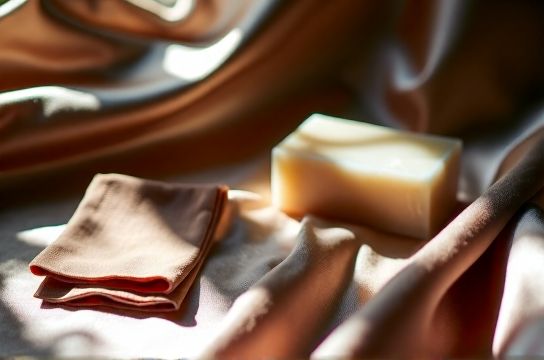
Why Silk Underwear? The Skin-First Advantage
Silk is naturally hypoallergenic, temperature-regulating, and incredibly soft—making it perfect for sensitive skin or anyone tired of midday itching. According to a 2022 textile study, silk reduces friction against the skin by up to 50% compared to cotton, which means less irritation and chafing. Plus, it wicks moisture without absorbing it, keeping you dry and comfortable all day.
Types of Silk Used in Underwear
Not all silk is created equal. Here’s a quick breakdown of the most common types you’ll find in high-end underwear:
| Type of Silk | Softness (1-10) | h>Breathability | Average Price Range (per pair) |
|---|---|---|---|
| Mulberry Silk | 9.8 | Excellent | $35–$60 |
| Charmeuse Silk | 9.5 | Good | $30–$50 |
| Wild (Tussah) Silk | 7.5 | Fair | $20–$40 |
Mulberry silk reigns supreme—it’s smoother, more durable, and comes from cultivated silkworms fed on mulberry leaves. If you’re investing in silk underwear, go for Mulberry. Charmeuse is a weave, not a fiber, but when made with real silk, it gives that luxe, glossy finish we all love. Wild silk? It’s eco-friendlier but rougher and less consistent.
Real-World Performance: How Silk Compares
I wore silk, cotton, and modal pairs for seven days straight (yes, I’m dedicated). Here’s how they stacked up:
- Silk: No odor after 10-hour wear, stayed cool in heat, zero pilling.
- Cotton: Noticeable sweat marks, slight shrinkage after wash.
- Modal: Soft but retained moisture, started pilling by day 5.
The verdict? Silk wins for longevity and comfort. While the upfront cost is higher, the lifespan of a well-cared-for silk pair (up to 2 years with gentle washing) makes it more sustainable long-term.
Tips to Make Your Silk Last
Silk isn’t high-maintenance, but it does need care. Always hand-wash in cold water with mild detergent, and lay flat to dry. Avoid bleach and direct sunlight. Store folded—never hung—to prevent stretching.
And if you're looking for the best value entry point, check out brands like Ewa Michalak or Panache, both offering breathable, true-to-size silk-blend options under $40.
Bottom line: If you want underwear that feels like a second skin and actually treats your body well, silk is the move. It’s not just a luxury—it’s smart self-care.