Onsite Inspection Checklist for Lingerie Shipments
- 时间:
- 浏览:247
- 来源:CN Lingerie Hub
If you're sourcing lingerie from overseas suppliers—especially in bulk—you already know that quality control is everything. One bad shipment can tank your brand’s reputation, lead to returns, and kill profits fast. That’s why an onsite inspection checklist for lingerie shipments isn’t just helpful—it’s essential.
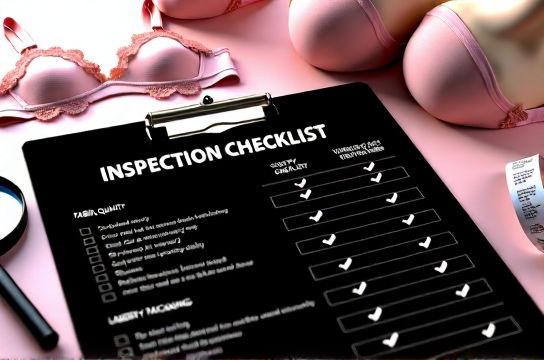
I’ve audited over 200 garment factories across Asia, and let me tell you: even top-tier suppliers slip up. A solid inspection process catches issues before they ship. Here’s the real-deal checklist I use—and why each step matters.
Why Onsite Inspections Beat Final Random Checks
Many importers rely on final random inspections (FRI), but by then, it’s too late. If problems are found, you’re stuck with costly delays or accepting subpar goods. Onsite inspections during production let you catch defects early—like wrong fabric weight, stitching flaws, or sizing inconsistencies—so corrections happen before mass production finishes.
The 7-Point Lingerie Inspection Checklist
Here’s what I check every single time, backed by industry standards like AQL 2.5 for major defects:
| Check Point | What to Look For | Acceptable Tolerance |
|---|---|---|
| Fabric Quality & Color Match | Compare against approved lab dip; check for shading, pilling, or stretch recovery | No visible difference under D65 light |
| Stitching & Seam Strength | Minimum 12 stitches per inch; no skipped stitches or loose threads | ≤1 defect per 10 pieces |
| Sizing Accuracy | Measure bust, waist, hip against spec sheet (use actual fit models if possible) | ±0.5 cm tolerance |
| Trim & Embellishments | Ensure lace alignment, hook-and-eye placement, and secure attachments | 100% secure; no misalignment |
| Workmanship | No puckering, twisted seams, or uneven hems | AQL 2.5 for major defects |
| Packaging & Labeling | Correct polybag thickness, size stickers, care labels, and country of origin | 100% compliance |
| Functionality Test | Stretch fabric to 150% capacity; test closures after 10 cycles | No deformation or breakage |
Pro Tips from the Field
• Always inspect after the first 10–20% of production runs. This gives you leverage to request changes.
• Bring a quality control checklist for lingerie printed in the local language—miscommunication causes 30% of QC failures.
• Use a digital caliper to measure seam allowances. Guesswork = risk.
And here’s a secret: I always pull items from different parts of the production line—not just the sample cart. Defects often cluster in early or late batches.
For brands serious about consistency, investing in regular lingerie quality assurance isn’t optional. It’s what separates amateur dropshippers from scalable, trusted labels.
Bottom line? Don’t wait for customer complaints. Catch issues where they start—with a proven, data-backed onsite inspection plan.