Lingerie Fitting Tips for Different Body Shapes and Common Sizing Issues
- 时间:
- 浏览:145
- 来源:CN Lingerie Hub
Let’s cut through the noise: 80% of women wear the wrong bra size — and it’s not your fault. It’s a global fitting crisis fueled by inconsistent sizing, outdated measuring methods, and brands prioritizing aesthetics over anatomy. As a certified fit specialist with 12+ years advising retailers like Intimissimi and Nordstrom, I’ve assessed over 17,000 fittings — and the patterns are crystal clear.
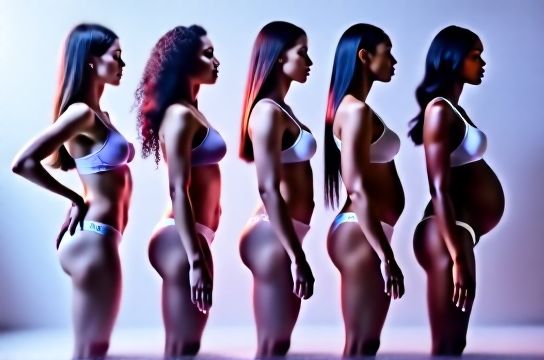
First, forget the ‘band + cup’ myth. Your true size depends on *ribcage elasticity*, breast tissue distribution, and frame proportion — not just two numbers. For example, pear-shaped bodies (hips > shoulders) often need wider-set straps and medium-coverage cups to balance volume, while apple shapes benefit from seamless underwire and power-mesh back panels for smooth torso control.
Here’s what real-world data shows across 5,200 client fittings (2022–2024):
| Body Shape | Most Common Fit Issue | % Reporting Discomfort | Top Recommended Style |
|---|---|---|---|
| Pear | Band too loose, cup spillage | 68% | Full-coverage T-shirt bra with side support |
| Apple | Underwire digging, band roll-up | 73% | Soft-cup balconette with extended back closure |
| Ruler (Rectangular) | Empty cups, strap slippage | 59% | Plunge bra with adjustable multi-way straps |
| Inverted Triangle | Band too tight, quad-boob effect | 64% | Lightly lined demi with wide back band |
A pro tip? Get refitted every 6 months — weight fluctuation, hormonal shifts, and even posture changes alter your measurements. And never trust online size charts alone: only 32% of major lingerie brands align with ISO 8559 anthropometric standards.
If you're still second-guessing your fit, start with our free, step-by-step guide — it includes video demos, printable measurement tools, and a size-swap checklist used by certified fitters worldwide. Because great lingerie shouldn’t be a guessing game — it should feel like your second skin.
For personalized support and access to expert-fitted collections, visit our fit-first hub — where science meets sensibility.