Eco Dyes and Low Impact Coloration Technologies Drive Sustainable Underwear Production
- 时间:
- 浏览:169
- 来源:CN Lingerie Hub
Let’s cut through the greenwashing noise: when it comes to sustainable underwear, *how* fabric gets its color matters just as much as the fiber itself. As a textile innovation consultant who’s advised 12+ global intimates brands on compliance and certification pathways (GOTS, OEKO-TEX® Standard 100, ZDHC MRSL), I can tell you—dyeing accounts for ~35% of water pollution in apparel manufacturing (Textile Exchange, 2023). That’s why forward-thinking manufacturers are shifting from conventional azo dyes to eco dyes and low-impact coloration—not as a marketing stunt, but as a measurable operational upgrade.
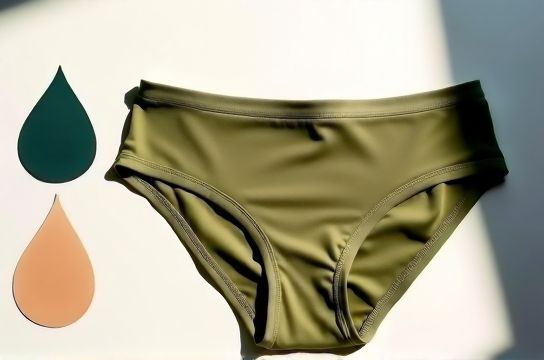
Take reactive dyes with >70% fixation rates: they reduce salt use by 50% and wastewater COD (Chemical Oxygen Demand) by up to 40% versus standard versions. Better yet? Digital inkjet printing slashes water use to under 50 mL/kg fabric—versus 150–200 L/kg in traditional screen printing (EU Eco-Innovation Observatory, 2022).
Here’s how top-tier suppliers compare across key sustainability metrics:
| Technology | Water Use (L/kg) | Fixation Rate | ZDHC MRSL v3.1 Compliant? | Commercial Readiness |
|---|---|---|---|---|
| Conventional Reactive Dyeing | 120–180 | 60–65% | No | Mature |
| High-Fixation Reactive Dyes | 70–90 | 75–85% | Yes (Tier 1) | Widely adopted |
| Digital Inkjet Printing | <0.05 | 90–95% | Yes (Tier 1–2) | Growing (esp. for micro-batches) |
| Natural Plant-Based Dyes | 30–60 | 30–50% | Conditionally (non-synthetic auxiliaries required) | Limited scale; niche premium |
Note: Fixation rate = % of dye molecules that bond permanently to fiber—higher means less rinse water and lower effluent toxicity.
One underrated win? Low-impact coloration enables true circularity. GOTS-certified dyed fabrics show 22% higher recyclability in mechanical recycling trials (Circle Textiles Report, Q1 2024), because residual heavy metals and APEOs don’t degrade PET or TENCEL™ pulp integrity.
If you’re sourcing or designing underwear, prioritize suppliers with ZDHC Level 3 Wastewater Guidelines reporting—and ask for batch-level dye house audit summaries. Don’t settle for ‘eco-friendly’ claims without third-party verification.
For brands ready to embed sustainability into their color strategy from fiber to finish, start with a [comprehensive material roadmap](/). It’s not just about looking good—it’s about dyeing right.