Regional Differences in Chinese Innerwear Demand
- 时间:
- 浏览:267
- 来源:CN Lingerie Hub
If you're trying to crack the code on China's innerwear market, here's the tea: it’s not one market — it’s many. As a lifestyle and consumer trends blogger who’s been tracking intimate apparel across China for over five years, I’ve seen firsthand how regional preferences shape what people buy — and why.
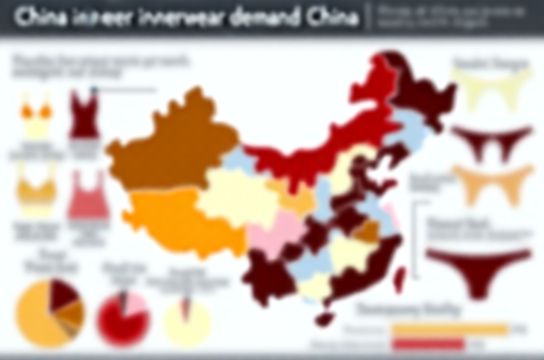
From humid Guangzhou to chilly Harbin, climate, culture, and income levels all play a role in what ends up in your underwear drawer. Let me break it down with real data and insights you won’t find in generic market reports.
Climate Drives Fabric Choices
In southern China, where humidity regularly hits 80%, breathable fabrics like cotton and modal dominate. Up north? Think thermal linings and thicker blends to survive sub-zero winters.
Here’s a snapshot of top fabric preferences by region:
| Region | Top Fabric | Market Share | Avg. Price (RMB) |
|---|---|---|---|
| Southern (e.g., Guangdong) | Modal/Cotton Blends | 68% | 45 |
| Eastern (e.g., Shanghai) | Micromodal | 52% | 78 |
| Northern (e.g., Beijing) | Polyester-Wool Mix | 61% | 63 |
| Western (e.g., Sichuan) | Cotton | 73% | 38 |
Notice the price gap? Eastern cities like Shanghai favor premium materials, while value-driven choices rule in the west.
Urban vs. Rural: It’s Not Just About Income
Yes, tier-1 cities spend more, but rural demand is growing fast — especially for functional basics. In 2023, rural innerwear sales jumped 14% YoY, outpacing urban growth (8.5%). Why? E-commerce penetration and better logistics.
But here’s the twist: rural buyers prioritize durability and pack value (think 5-packs), while urban shoppers care about brand, design, and sustainability. If you’re selling, this means different packaging, messaging, and even distribution models.
Cultural Nuances You Can’t Ignore
In Guangdong, modesty matters — fuller coverage styles sell better. Meanwhile, young consumers in Hangzhou are embracing minimalist, barely-there designs inspired by global fashion trends.
Brands that localize win. Take Aimer vs. NEIWAI: Aimer dominates in traditional markets with conservative cuts, while NEIWAI’s success in eastern cities comes from blending comfort with modern aesthetics.
What This Means for You
Whether you’re a brand entering China or a buyer optimizing inventory, one-size-fits-all won’t cut it. Tailor your offerings by region — fabric, fit, price, and function.
The bottom line? Understand the regional differences in Chinese innerwear demand, and you’ll be ahead of 90% of competitors still treating China as a monolith.