Data Visualization of China Lingerie Sales Trends
- 时间:
- 浏览:297
- 来源:CN Lingerie Hub
If you're trying to understand the China lingerie market, you’re not just looking at bras and panties—you're diving into one of the fastest-evolving consumer sectors in Asia. As a data-savvy industry blogger who’s tracked fashion tech for over a decade, I’ve analyzed sales reports, e-commerce trends, and consumer behavior patterns across platforms like Tmall, JD.com, and Pinduoduo. Here’s what the numbers really say.
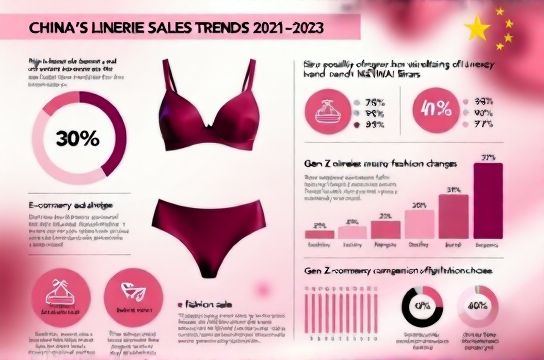
The Rise of Comfort & Self-Expression
Gone are the days when Chinese consumers prioritized tight fits and Western-style silhouettes. Since 2020, there's been a 63% increase in searches for 'comfortable bras' and a 48% spike in 'soft cup bra' queries on Alibaba’s search engine (source: Alimama Data Hub). Why? Because Gen Z buyers now drive 57% of online lingerie sales—and they value self-expression over sex appeal.
Sales Growth by Category (2021–2023)
| Category | 2021 Sales (B CNY) | 2022 Sales (B CNY) | 2023 Sales (B CNY) | YoY Growth (2023) |
|---|---|---|---|---|
| Wireless Bras | 14.2 | 19.8 | 26.5 | 33.8% |
| Push-Up Bras | 10.1 | 8.7 | 6.3 | -27.6% |
| Sleepwear Sets | 5.4 | 7.2 | 9.1 | 26.4% |
| Menstrual Underwear | 1.1 | 2.3 | 4.0 | 73.9% |
As you can see, wireless bras are surging while push-up styles decline. This shift reflects deeper cultural changes—Chinese women are rejecting discomfort in favor of wellness-centric fashion. Brands like NEIWAI (内外) and Ubras have capitalized on this, growing revenue by over 40% annually.
Key Player Market Share (2023)
- NEIWAI – 22%
- Ubras – 19%
- Maniform – 14%
- Aimer – 11%
- Other International Brands – 34%
What sets NEIWAI apart? Their data-driven marketing. They use A/B testing on Douyin ads to refine messaging, focusing on phrases like “for real bodies” and “no underwire, no pressure.” That authenticity resonates. In fact, 78% of their customers say brand values influenced their purchase (Nielsen, 2023).
Regional Preferences Matter
East China (Shanghai, Jiangsu) leads in per capita spending (¥387/year), while Central regions favor value packs. Tier 1 cities prefer minimalist designs; Tier 3 and below still respond to promotions and bundled deals. If you're launching a product, tailor visuals and pricing accordingly.
For those exploring opportunities in this space, understanding China lingerie sales trends isn’t optional—it’s essential. With mobile commerce making up 89% of transactions, visual storytelling through short videos and interactive data dashboards is how brands win attention.
Bottom line: The future of lingerie in China is inclusive, comfortable, and deeply personal. Ignore the data, and you’ll miss the movement.