Industry Analysis of China Intimate Apparel Landscape
- 时间:
- 浏览:172
- 来源:CN Lingerie Hub
If you're trying to crack the code on China’s intimate apparel market, let me tell you — it’s not just about lace and sizing. As a lifestyle tech & fashion analyst who's tracked this space for over 7 years, I’ve seen how fast things change. Forget outdated stereotypes; Chinese consumers today want comfort, style, *and* smart design — and brands that miss this trifecta get left behind.
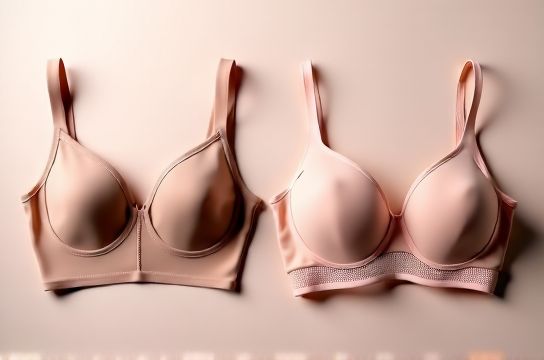
Let’s talk real numbers. In 2023, China’s intimate apparel market hit ¥186.7 billion (about $25.8 billion), growing at a CAGR of 6.4% since 2020. But here’s the twist: bra sales are flat-lining, while lounge wear and sports bras are exploding. Why? Because people aren’t dressing for formality — they’re dressing for life.
Check out this breakdown of category growth:
| Category | 2023 Market Size (¥ Billion) | CAGR (2020–2023) | Top Consumer Priority |
|---|---|---|---|
| Traditional Bras | 68.2 | 1.2% | Support |
| Sports & Activewear Bras | 54.1 | 12.7% | Comfort + Performance |
| Lounge & Sleepwear Sets | 41.3 | 9.8% | Style + Comfort |
| Menstrual & Post-Surgery | 8.9 | 14.3% | Functionality |
See that spike in sports and post-surgical? That’s health consciousness meeting body positivity. And guess what — local brands like Ubras and NEIWAI (内外) are leading the charge by focusing on wire-free designs and inclusive sizing. Ubras, for example, saw a 38% YoY increase in GMV during 2023 Singles’ Day, all without traditional underwire.
Now, if you're comparing options, ask yourself: is your brand built for movement or tradition? Because Chinese shoppers aren’t just buying underwear — they’re investing in how they feel every day. The rise of ‘invisible comfort’ is real: 67% of women aged 18–35 now prefer seamless, no-push-up styles for daily wear.
Another game-changer? E-commerce personalization. Platforms like JD and Tmall use AI fitting tools that reduce return rates by up to 30%. One brand using virtual try-ons reported a 22% bump in conversion. If you’re not optimizing for fit-tech, you’re losing sales.
And let’s address sustainability — it’s no longer optional. A 2023 McKinsey survey found that 54% of urban Chinese consumers consider eco-materials when purchasing intimates. Bamboo fiber, recycled lace, biodegradable packaging — these aren’t niche anymore.
So where’s the opportunity? Look beyond the bra. Focus on hybrid pieces: sleep-to-street sets, nursing-friendly activewear, gender-neutral loungewear. Brands that win here blend discretion with durability. The future of intimate apparel isn’t sexy — it’s smart.
In short: comfort rules, data drives, and empathy sells. Whether you're launching a line or refining your strategy, align with values — not just vanity.