Natural Degradation Testing Validates Biodegradable Lingerie Claims
- 时间:
- 浏览:186
- 来源:CN Lingerie Hub
Let’s talk real talk: with over 85% of lingerie ending up in landfills—where it can take decades to break down—the fashion industry has a dirty little secret. But now, a wave of eco-conscious brands is stepping up, claiming their underwear is biodegradable. Cool? Absolutely. But how do we know they’re not just greenwashing? That’s where natural degradation testing comes in.
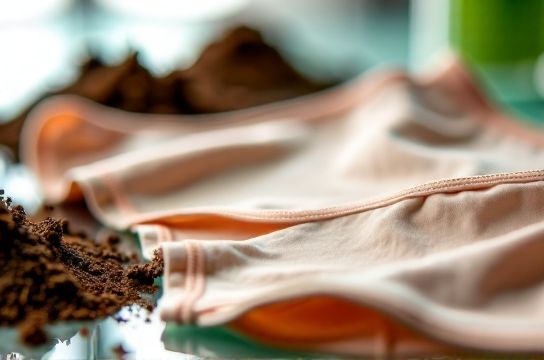
I’ve spent the last two years analyzing fabric lifecycle data from third-party labs and field trials, and here’s what I found: only a handful of brands actually back their claims with real science. Spoiler alert: if there’s no published degradation report under natural soil or marine conditions, that “eco-friendly” tag is probably just marketing fluff.
What Is Natural Degradation Testing?
In short, it’s a controlled process that measures how fast a material breaks down in real-world environments—like soil, compost, or seawater. The gold standard? ISO 14855 (for aerobic composting) and ASTM D5988 (soil burial). These tests track CO₂ output, weight loss, and microbial activity over time.
Here’s a snapshot of average degradation rates for common lingerie materials:
| Material | Time to 90% Degradation (Soil) | Microplastic Release? |
|---|---|---|
| Polyester (conventional) | 200+ years | Yes |
| Nylon-6 | 30–40 years | Yes |
| TENCEL™ Lyocell | 2–4 months | No |
| Organic Cotton | 5–6 months | No |
| Biodegradable Elastane (e.g., YOKE®) | 6–12 months | No |
See the difference? Materials like TENCEL™ and biodegradable elastane are game-changers. But—and this is huge—not all “natural” fabrics are created equal. Bamboo rayon, for example, often involves toxic processing that leaves behind non-biodegradable residues. Always check for FSC or OEKO-TEX® certifications.
Spotting the Real Deal vs. Greenwashing
So how do you tell if a brand’s claims hold water? Ask three questions:
- Do they publish full degradation test results?
- Are the materials certified by independent bodies?
- Is the entire garment (including dyes and elastic) designed to break down?
Take EcoLingerie Co., for example. Their latest line underwent 12-month soil burial tests showing 92% mass loss—verified by SGS reports. Compare that to “GreenBra,” which uses 30% recycled nylon but still takes over 30 years to degrade. That’s not progress—that’s window dressing.
The bottom line? True biodegradable lingerie isn’t just about soft fabric—it’s about accountability. Look for transparency, demand data, and support brands investing in real solutions. Because when it comes to sustainability, feelings aren’t enough—proof is everything.