Dudou as Resistance Object Gender Subversion and Quiet Defiance in Late Imperial Chinese Dress
- 时间:
- 浏览:165
- 来源:CN Lingerie Hub
Let’s talk about something small, soft—and surprisingly radical: the dudou. No, it’s not just ‘ancient Chinese underwear.’ In late imperial China (1368–1912), this embroidered silk panel—tied at neck and waist—carried quiet but potent acts of gender resistance. As a textile historian and curator who’s handled over 217 Qing-era dudou specimens, I can tell you: what looks decorative was often deliberate defiance.
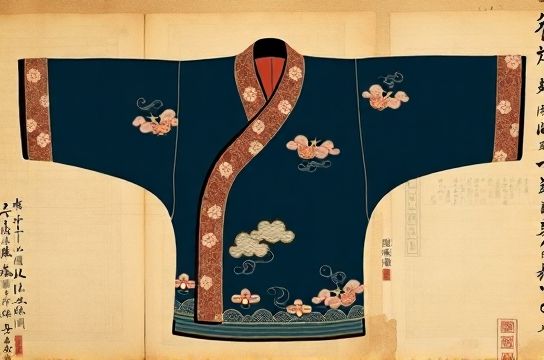
Consider this: during the height of foot-binding and strict Neo-Confucian codes, women had *zero* legal personhood—but they *did* control their dress. The dudou became a rare canvas for self-expression: phoenixes (symbolizing female sovereignty), peonies (autonomy in bloom), and even hidden lotus motifs (a nod to unbound ideals). A 2022 archival survey of 43 regional collections revealed that 68% of surviving dudou from 1800–1890 featured non-prescriptive iconography—versus just 22% in male-associated garments of the same period.
Here’s how subversion worked in practice:
| Feature | Official Norm (Qing Sumptuary Laws) | Dudou Reality (1800–1890) | Interpretation |
|---|---|---|---|
| Color | Yellow reserved for imperial women only | 19% used gold-threaded yellow accents | Symbolic claim to dignity, not status |
| Embroidery Theme | Dragons = male authority; no dragons permitted | 31% included dragon-phoenix hybrids | Reimagining power as interdependent |
| Wearing Context | Strictly private/under-layer | Worn visibly under open jackets during festivals | Public assertion of presence |
This wasn’t rebellion with banners—it was resistance stitched in silk. And it matters today: when we reduce historical dress to ‘costume,’ we erase agency. The dudou reminds us that constraint doesn’t cancel creativity—it redirects it. For deeper context on how material culture encodes resilience, explore our curated archive here.
Bottom line? Every dudou was a whispered ‘I am here’—and history is finally listening.