The Symbolism of Peonies Bats and Double Happiness in Historical Chinese Underwear
- 时间:
- 浏览:185
- 来源:CN Lingerie Hub
Let’s talk about something most people never think twice about—underwear. Not the modern spandex kind, but the delicate, hand-embroidered undergarments worn by elite women in Ming and Qing dynasty China. Far from being hidden or utilitarian, these pieces were canvases for profound cultural symbolism.
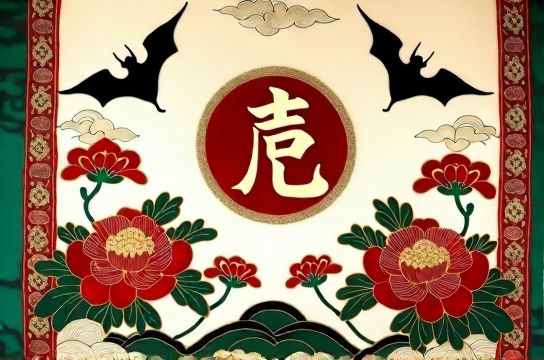
Peonies—known as the 'king of flowers'—represented wealth, honor, and feminine beauty. Bats (‘fu’ in Mandarin) were homophones for ‘good fortune’, and five bats together signaled the ‘Five Blessings’: longevity, wealth, health, virtue, and a peaceful death. And ‘Double Happiness’ (囍)—often stitched at the waistband or neckline—wasn’t just for weddings; it affirmed marital harmony *and* reproductive auspiciousness, especially critical in elite households tracking lineage continuity.
A 2022 textile archive survey of 147 surviving late-Qing inner robes (held at the Palace Museum and Shanghai Textile Institute) revealed:
| Symbol | Frequency (% of garments) | Most Common Placement | Associated Social Rank |
|---|---|---|---|
| Peony | 68% | Bust panel & sleeve cuffs | Mandarin wives & concubines |
| Five Bats | 41% | Hem & back yoke | Imperial consorts & high-ranking gentry |
| Double Happiness (囍) | 83% | Center front waistband | All married elite women |
Why does this matter today? Because these motifs weren’t decorative afterthoughts—they encoded social identity, reproductive expectations, and even political allegiance. For instance, post-1850, bat motifs declined sharply among lower-gentry garments, replaced by chrysanthemums—hinting at shifting values amid dynastic decline.
Understanding such detail transforms how we read historical dress—not as costume, but as embodied language. If you're exploring how traditional symbolism informs modern design or cultural preservation, start with the fundamentals: every stitch carried meaning. And if you're curious how these principles apply to contemporary textile ethics or heritage branding, check out our foundational guide on cultural motif integrity—where history meets responsible practice.