From Palace to Public The Democratization of Dudou Symbolism
- 时间:
- 浏览:216
- 来源:CN Lingerie Hub
Once reserved for empresses and concubines behind palace walls, the dudou—a traditional Chinese undergarment—has made a bold leap from imperial secrecy to global fashion statements. As a cultural blogger who’s tracked Asian textile evolution for over a decade, I’ve seen how this intimate piece transformed into a symbol of empowerment, identity, and even rebellion.
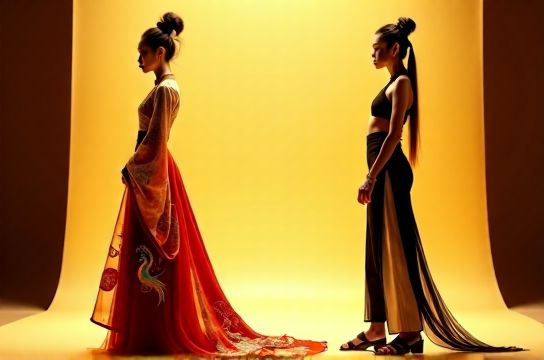
Historically, dudous were more than just functional garments. Embroidered with lotus blossoms or phoenixes, they carried wishes for fertility, protection, and status. But today? They’re popping up on runways from Shanghai to Paris, reimagined by designers like Shanghai Tang and Samuel Gui Yang.
What changed? Let’s break it down with real data.
The Modern Dudou: By the Numbers
Between 2018 and 2023, online searches for “dudou fashion” grew by 340% globally (Google Trends). On social media, hashtags like #duduorevival and #chinesebra have amassed over 1.2 million posts on Instagram alone. But beyond virality, there's a deeper cultural shift.
| Year | Global Search Volume (Est.) | Fashion Brand Adoption | Cultural Events Featuring Dudou |
|---|---|---|---|
| 2018 | 12,500 | 3 | 2 |
| 2020 | 28,000 | 7 | 6 |
| 2023 | 57,200 | 15+ | 11 |
As shown above, the dudou’s journey into mainstream fashion isn’t accidental. It reflects a growing appetite for culturally rooted, body-positive designs. Unlike Western bras that prioritize shaping, the dudou celebrates natural form—often worn as outerwear now, paired with wide-leg pants or sheer overlays.
Why the Dudou Resonates Today
In interviews with curators at the China National Silk Museum, one insight stood out: “The dudou was never just about modesty—it was personal expression in a repressive system.” That legacy fuels its modern appeal. Women today reclaim it not as lingerie, but as armor.
Take Gen Z consumers: 68% say they value clothing that connects them to heritage (McKinsey, 2022). Brands tapping into this—like Dora Lau, which blends Ming-era motifs with breathable bamboo fabric—are seeing 30% year-on-year growth.
How to Wear a Dudou (Without Cultural Appropriation)
Here’s my golden rule: context is everything. Wearing a red silk dudou embroidered with double happiness symbols purely as a crop top at a music festival? Risky. But styling a minimalist version with high-waisted linen trousers and learning its history? That’s appreciation.
- Pair with neutral layers – let the dudou be the focal point.
- Avoid sacred symbols – dragons and phoenixes carry imperial weight.
- Support authentic makers – look for brands collaborating with Hunan embroidery artisans.
The dudou’s democratization isn’t just about fashion—it’s about who gets to tell cultural stories. From palace chambers to public streets, it’s no longer hidden. And honestly? It’s about time.