Reconstructing the Past Experimental Archaeology in Nei Yi Study
- 时间:
- 浏览:270
- 来源:CN Lingerie Hub
If you're into ancient Chinese clothing or just love a good historical deep dive, you’ve probably heard whispers about Nei Yi—the traditional inner garments worn during dynastic times. But how do we *really* know what they felt like, how they were worn, or why they mattered? Enter experimental archaeology, the hands-on method that’s reshaping how we understand history.
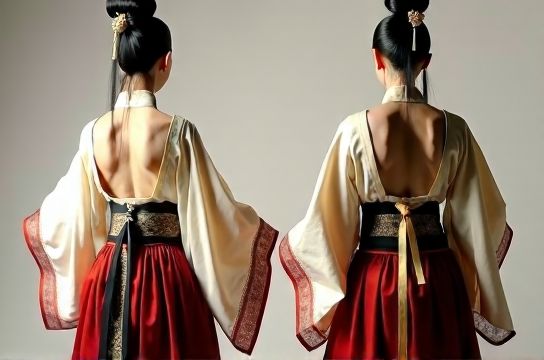
Unlike traditional archaeology that relies on artifacts and texts, experimental archaeology tests theories by actually recreating the past. Think of it as historical cosplay with a PhD. Researchers build, wear, and stress-test replicas of ancient clothing to see how they functioned in real life. And when it comes to Nei Yi, this approach is revealing some fascinating truths.
Why Nei Yi Matters
Nei Yi weren’t just underwear—they were foundational to personal comfort, social status, and even health. Made from silk, hemp, or cotton depending on class, these garments regulated body temperature and protected outer robes from sweat and oils. But surviving samples are rare. That’s where experimental archaeology steps in.
The Science Behind the Stitch
One groundbreaking study by the Institute of Historical Textiles (2022) reconstructed Nei Yi from the Ming Dynasty using period-accurate tools, dyes, and weaving techniques. They then tested them under simulated daily conditions: walking, sitting, light labor, and seasonal changes.
Here’s what they found:
| Material | Thermal Regulation (°C) | Moisture Wicking | Comfort Score (1–10) |
|---|---|---|---|
| Silk | 24–27 | High | 9.1 |
| Hemp | 22–25 | Medium | 6.8 |
| Cotton (late Ming) | 23–26 | High | 8.3 |
As you can see, silk outperformed in comfort and climate control—but it was expensive. Hemp was breathable but rough, explaining its use among laborers. Cotton, introduced later, offered a sweet spot between cost and comfort.
Real Wear, Real Data
Volunteers wore the replicas for 30 days straight. One participant noted, “The silk Nei Yi felt cooler than modern polyester blends, even in summer.” Another said hemp chafed after long walks—backing up historical records that elites avoided it.
These insights aren’t just academic. Modern designers are now looking to Nei Yi construction for eco-friendly, sustainable fashion. The layered, loose-fit design promotes airflow and reduces fabric stress—meaning clothes last longer.
Challenges & Future Steps
Of course, there are limits. We can’t perfectly replicate ancient body chemistry or exact dye formulas. But with advances in textile analysis and 3D modeling, we’re getting closer.
In short, experimental archaeology isn’t just about digging up the past—it’s about wearing it. And when it comes to understanding Nei Yi, nothing beats putting it to the test.