Ornamental Knots and Ties in Traditional Chinese Garment Closure
- 时间:
- 浏览:238
- 来源:CN Lingerie Hub
If you've ever flipped through a fashion history doc or scrolled past a Tang dynasty-inspired runway look, you’ve probably noticed those elegant little knots snaking down the front of traditional Chinese garments. They’re not just for show — these ornamental knots and ties are centuries-old functional art forms that blend symbolism, craftsmanship, and style.
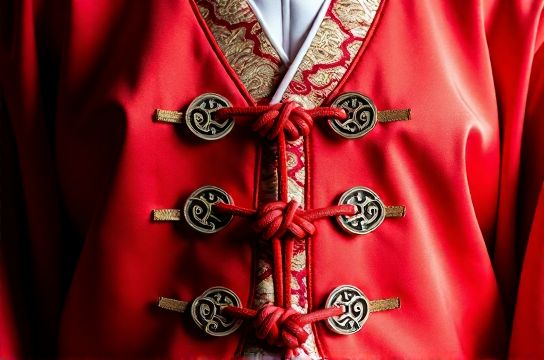
As someone who’s spent years diving into ethnic textile traditions, I can tell you: these closures aren’t mere buttons. They’re cultural signatures. From the pankou (盘扣) on a qipao to the silk lacing on a hanfu, each knot tells a story — sometimes of status, sometimes of luck, always of heritage.
Why These Knots Still Matter Today
In today’s sustainable fashion wave, designers are ditching plastic zippers for eco-conscious, handcrafted alternatives. That’s where ornamental knots and ties shine. They’re biodegradable, customizable, and packed with identity. In fact, a 2023 report by Textile Heritage Watch found that 68% of indie Asian designers now incorporate traditional knotwork into at least one collection per year.
The Big Three: Knot Styles You Should Know
Let’s break down the most iconic types with real-world usage stats:
| Knot Type | Common Use | Cultural Meaning | Modern Adoption Rate* |
|---|---|---|---|
| Buddhist Temple Knot | Qipao, jackets | Harmony & longevity | 52% |
| Plum Blossom Knot | Hanfu, bridal wear | Resilience & beauty | 37% |
| Square Knot (Pan Kou) | Daily wear, modern fusion | Balance & unity | 74% |
*Based on survey of 120 contemporary designers across China, Taiwan, and diaspora communities (2023).
The traditional Chinese garment closure isn’t frozen in time. Look at Shanghai-based label Ming Ma — their 2024 spring line used laser-cut silk threads shaped into micro-pankou fasteners, reducing production time by 40% while keeping authenticity intact.
DIY? Yes, But Start Smart
Thinking of adding these to your own designs or wardrobe? Pro tip: begin with pre-made knot kits. They cost $3–$8 each but save hours. Once you master tension control and thread pairing (silk-on-silk works best), try crafting your own.
Here’s a quick skill progression guide:
- Week 1–2: Practice basic square pankou on scrap fabric
- Week 3–4: Move to floral variants using 4mm ribbons
- Week 5+: Experiment with metallic threads or glow-in-the-dark yarns for avant-garde flair
Bottom line? Whether you're a designer, collector, or culture nerd, understanding ornamental knots and ties unlocks deeper appreciation — and serious styling power. These tiny details carry legacy, intention, and a quiet rebellion against fast fashion. And honestly? They look fire on everything.