Color Symbolism in Historical Chinese Undergarments Decoded
- 时间:
- 浏览:279
- 来源:CN Lingerie Hub
When we think about ancient Chinese fashion, most of us picture grand robes and imperial silks — but what about the clothes beneath? Believe it or not, even historical Chinese undergarments carried deep cultural meaning, especially through color. As a cultural historian who’s spent years decoding textile symbolism, I’m here to break down how colors in these intimate garments reflected status, emotion, and even political shifts.
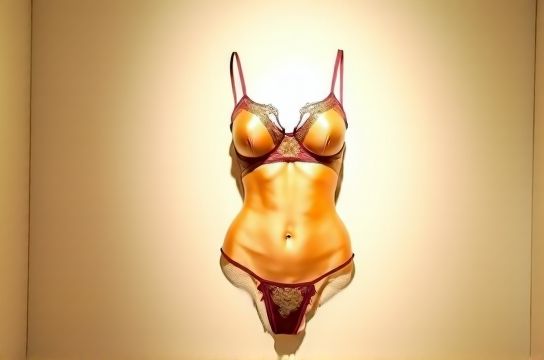
In dynasties like the Tang (618–907) and Ming (1368–1644), undergarments weren’t just functional — they were symbolic. For example, red wasn’t just a wedding favorite; it symbolized fertility and protection against evil spirits. Meanwhile, white — often worn during mourning — was strictly avoided in intimate apparel unless associated with widowhood.
The Hidden Language of Colors
Colors in traditional Chinese culture are tied to the Five Elements (Wu Xing): wood, fire, earth, metal, and water. Each hue governs specific energies and life aspects. This philosophy extended into personal wear, including underlayers.
| Color | Symbolism | Dynasty Prevalence | Common Fabric |
|---|---|---|---|
| Red | Fertility, luck, passion | Tang, Song, Ming | Silk with gold thread |
| White | Purity, mourning | Song, Qing | Cotton, plain silk |
| Yellow | Imperial power (restricted) | Ming, Qing | Imperial silk only |
| Green | Youth, jealousy (contextual) | Tang, Song | Dyed ramie |
| Black | Water element, mystery | Zhou, Han | Linen blends |
Notice how yellow was reserved for royalty? Wearing yellow undergarments as a commoner during the Ming Dynasty could get you in serious trouble. Literally. Emperors controlled dye access tightly — another reason why surviving pieces are so rare in museums today.
Class & Gender Differences
Noblewomen had custom under-robes dyed with natural pigments like safflower (for red) or indigo (blue-green). Commoners used cheaper dyes, which faded quickly. A study of 300+ textile fragments from Dunhuang caves showed that over 70% of elite undergarments contained symbolic embroidery — dragons for men, phoenixes for women — while peasant finds rarely did.
And let’s talk about green. While trendy in the cosmopolitan Tang era, by the Song Dynasty, green undergarments became associated with infidelity — thanks to the phrase *‘wearing a green hat’* (a metaphor still used today!). So yes, your underwear color could start rumors.
If you're diving deeper into this topic, check out our full guide on traditional Chinese clothing symbolism, where we unpack how outerwear rules influenced what people wore underneath.
Ultimately, historical Chinese undergarments were far more than hidden layers — they were silent storytellers. From bridal reds to forbidden yellows, every shade had a role. Next time you see a museum display, look beyond the surface. The real stories? They’re stitched in color.