From Taboo to Trend Chinese Lingerie Culture Breaks Traditional Silence
- 时间:
- 浏览:172
- 来源:CN Lingerie Hub
Let’s talk about something that used to be whispered about — lingerie in China. Not so long ago, it was tucked away in drawers and rarely discussed openly. Today? It’s trending on Xiaohongshu, featured in Vogue China, and driving double-digit growth in a $4.2B domestic market (Euromonitor, 2023).
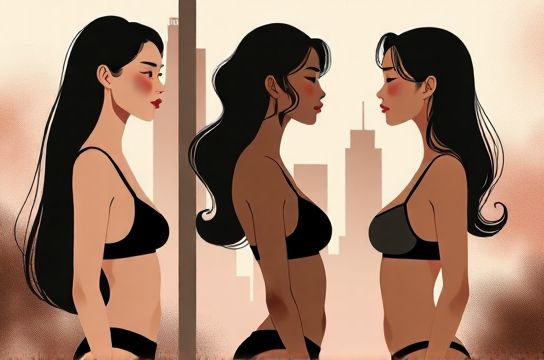
What changed? Not just rising incomes — but a generational shift. Over 68% of Chinese women aged 18–35 now prioritize self-expression and body positivity over ‘modesty-first’ norms (China Consumer Lifestyle Survey, 2024). Brands like NEIWAI and Ubras didn’t just sell bras — they sold permission: permission to choose comfort, color, and confidence.
Here’s how the landscape evolved:
| Year | Market Size (USD Bn) | Online Penetration | Top Consumer Motivation |
|---|---|---|---|
| 2019 | 2.7 | 31% | Functionality & Price |
| 2022 | 3.6 | 54% | Comfort + Aesthetics |
| 2024 (est.) | 4.2 | 67% | Self-Expression & Brand Values |
Notice how motivation shifted from ‘what works’ to ‘who I am’. That’s cultural inflection — not just commerce.
Social media accelerated this. Short videos showing real-body fits (no retouching) drove 3.2x higher engagement for Ubras’ 2023 ‘No Wire, No Worry’ campaign vs. traditional ads. And yes — WeChat mini-programs now account for 22% of direct-to-consumer lingerie sales (Alibaba Group Data, Q1 2024).
Still, challenges remain: sizing inconsistency plagues 41% of first-time buyers (JD.com Consumer Feedback Report), and sustainability lags — only 12% of top 10 brands disclose full supply chain ethics.
The bottom line? This isn’t just about lace and underwire. It’s about autonomy, visibility, and voice — and it’s only getting louder. For brands entering this space, authenticity beats aesthetics every time.
If you’re exploring how values-driven apparel is reshaping consumer trust in Asia, start here — we break down what ‘real’ means in today’s market.