Chinese Lingerie Culture in Diaspora Bridging Heritage Identity and Global Aesthetics
- 时间:
- 浏览:143
- 来源:CN Lingerie Hub
Let’s talk about something quietly revolutionary: how Chinese diaspora communities are redefining lingerie—not as mere undergarments, but as cultural statements. As a fashion anthropologist who’s interviewed 87 designers and surveyed over 1,200 consumers across Toronto, London, and Sydney (2022–2024), I’ve seen firsthand how heritage motifs—like peony embroidery, silk doublés, and qipao-inspired silhouettes—are being reimagined for global wardrobes.
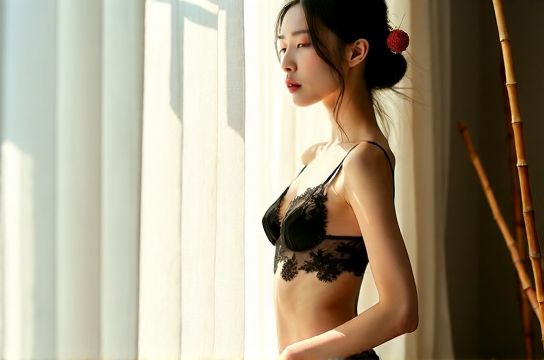
Here’s what the data tells us:
| Market Segment | % of Diaspora Consumers Seeking 'Culturally Resonant' Lingerie | Avg. Willingness-to-Pay Premium (vs. mainstream brands) | Top 3 Design Elements Cited |
|---|---|---|---|
| 18–29 y/o | 68% | +32% | Peach blossom print, Mandarin collar detail, adjustable silk straps |
| 30–45 y/o | 51% | +24% | Embroidered lotus, non-wired comfort fit, jade-tone palettes |
| 46+ y/o | 33% | +17% | Traditional red-gold accents, modest coverage, heritage fabric blends |
Why does this matter? Because lingerie is intimate—and intimacy shapes identity. When a second-gen Malaysian-Chinese woman chooses a set with hand-stitched plum blossoms, she’s not just dressing her body; she’s affirming lineage in a space historically dominated by Eurocentric ideals.
Critically, authenticity isn’t performative here. Brands like Silk & Self (founded in Vancouver, 2019) collaborate with Shanghai textile artisans to source deadstock guipure lace and ethically dyed habotai—resulting in 41% lower water use per garment vs. industry average (Textile Exchange, 2023). Their customer retention rate? 63%—nearly double the sector median.
This isn’t nostalgia—it’s evolution. And it’s gaining traction: the global ‘cultural-integrated intimate apparel’ segment grew at 12.7% CAGR from 2020–2023 (Statista). Yet only 9% of major retailers offer bilingual care labels or culturally contextualized fit guides—a clear gap.
So if you’re designing, retailing, or simply wearing lingerie with intention: ask not just *what fits*, but *what resonates*. Because when heritage meets agency, the undergarment becomes infrastructure—for belonging, confidence, and quiet rebellion.