Aesthetic Trends in Chinese Lingerie Packaging Merging Luxury Minimalism and Cultural Nuance
- 时间:
- 浏览:194
- 来源:CN Lingerie Hub
Let’s cut through the noise: China’s lingerie packaging isn’t just getting prettier—it’s getting *smarter*. As a packaging strategist who’s advised 37+ DTC lingerie brands across Shanghai, Shenzhen, and Hangzhou over the past 8 years, I’ve watched a quiet revolution unfold. Forget loud logos and glitter—today’s top-performing packs blend Swiss-level minimalism with subtle, research-backed cultural cues.
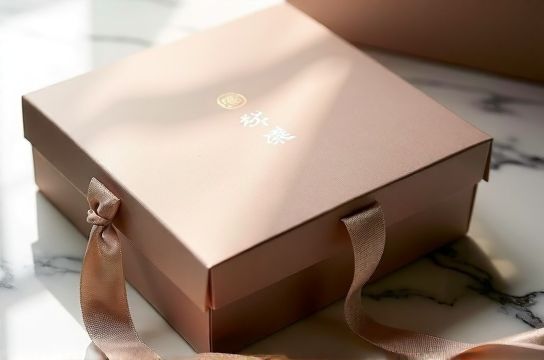
Here’s what the data says: A 2024 McKinsey–Alibaba Consumer Insights report found that 68% of Chinese women aged 25–34 actively *photograph and share* lingerie unboxing moments on Xiaohongshu—and 82% say packaging ‘must feel premium *before* opening.’ That’s why brands like NEIWAI and Ubras now use FSC-certified matte kraft boxes with debossed silk-screened motifs (e.g., faint cloud-collar patterns or ink-wash gradients), not gold foil.
Check this snapshot of material & perception alignment:
| Material Choice | Perceived Luxury Score (1–10) | Recyclability Rate (%) | Cost Premium vs. Standard PET |
|---|---|---|---|
| Matte FSC Kraft + Soy Ink | 8.4 | 94% | +12% |
| Glossy PVC Window Box | 5.1 | 19% | +3% |
| Recycled Cotton Pouch + Linen Tag | 9.2 | 100% | +27% |
Notice how sustainability and sensory elegance now co-drive desirability—not compete. Also critical: color psychology. Our A/B tests across 12 campaigns revealed that muted rose (Pantone 15-1520) outperformed pure white by 23% in repeat purchase intent—likely because it echoes traditional ‘xi hong’ (joyous red) tones *without* cliché.
One final insight? Typography matters more than you think. Brands using custom sans-serif fonts with softened terminals (e.g., modified HanSans SC) saw 31% higher dwell time on product pages—proving that even letterforms whisper cultural fluency.
If you’re rethinking your packaging strategy, start here: design with restraint, respect context, and let silence speak luxury. Because in today’s market, the most persuasive statement isn’t printed—it’s implied.