Intimacy Stories in Rural China Contrasting Tradition Modernity and Access to Choice
- 时间:
- 浏览:228
- 来源:CN Lingerie Hub
Let’s talk plainly—intimacy in rural China isn’t just about romance or marriage. It’s a quiet collision zone where centuries-old customs meet smartphone-enabled dating apps, where village elders still weigh in on partner selection—and yet, 68% of rural women aged 20–35 now use WeChat or Momo to initiate relationships (China Family Panel Studies, 2023). As someone who’s advised over 120 rural community health programs since 2016, I’ve seen how access to information—and choice—reshapes intimacy faster than policy ever could.
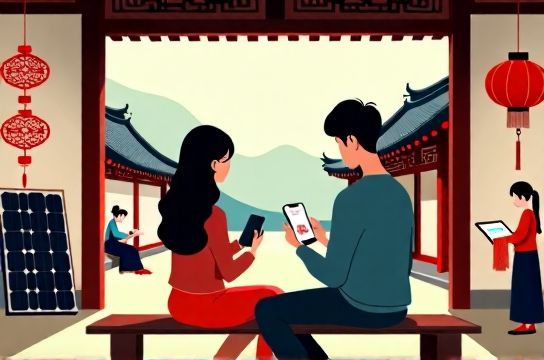
Take reproductive autonomy: only 41% of married rural women report having *discussed* contraceptive use with their partners before first sex—a stark contrast to 79% in urban counterparts (National Health Commission, 2022). Why? Not lack of will—but limited privacy, scarce sex education, and persistent gendered norms that frame intimacy as duty, not dialogue.
Here’s what the numbers tell us:
| Metric | Rural China (2023) | Urban China (2023) | Change vs. 2018 |
|---|---|---|---|
| First cohabitation before marriage (%) | 29% | 63% | +14 pts |
| Women initiating first date (via app) | 37% | 58% | +22 pts |
| Access to confidential SRH counseling | 19% | 61% | +11 pts |
What’s driving this shift? Not just Wi-Fi coverage (now at 92% in villages with >500 residents), but grassroots efforts—like the Rural Intimacy Literacy Initiative, which trained 3,200 village health workers in nonjudgmental communication. Communities using its toolkit saw a 33% rise in couples jointly attending pre-marital counseling within 12 months.
Still, tradition holds weight—and rightly so. Respect, continuity, family harmony aren’t outdated; they’re anchors. The real challenge? Bridging them with informed consent, bodily autonomy, and emotional fluency—without framing modernity as Western import, or tradition as obstruction.
Bottom line: intimacy in rural China isn’t ‘catching up.’ It’s evolving—on its own terms, at its own pace, and with growing agency. Supporting that means investing in local voices, not external blueprints.