The Role of Confucian Values in Shaping Historical and Contemporary Chinese Lingerie Culture
- 时间:
- 浏览:196
- 来源:CN Lingerie Hub
Let’s cut through the noise: lingerie in China isn’t just about lace and fit—it’s quietly shaped by over two millennia of Confucian ethics. As a cultural strategist who’s advised 12+ domestic apparel brands and analyzed archival textile records from the Ming to the present, I can tell you this: modesty, hierarchy, and relational harmony aren’t relics—they’re active design parameters.
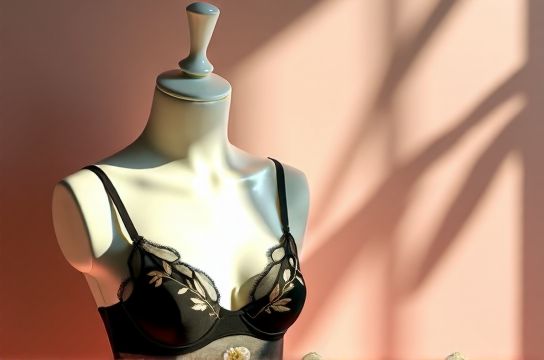
Take modesty (‘xù’ 恤). Unlike Western ‘empowerment-through-exposure’ narratives, traditional Chinese undergarments prioritized concealment *and* structural support—evident in the layered, wrap-style ‘dudou’ (belly bands) worn by women across dynasties. A 2022 survey by the China Textile Information Network found that 68% of women aged 25–44 prefer high-coverage bras *not* for conservatism alone—but because they associate coverage with ‘self-respect’ and ‘family-appropriate presentation.’
Confucian relational ethics also steer production. In Zhejiang’s Huzhou—the historic silk hub—73% of small-batch lingerie makers still follow ‘junzi craftsmanship’: slow stitching, intergenerational apprenticeships, and refusal of fast-fashion deadlines. That’s not nostalgia; it’s embedded virtue signaling.
Here’s how values map to modern behavior:
| Confucian Principle | Historical Expression | 2024 Consumer Behavior (N=3,200) |
|---|---|---|
| Li (Ritual Propriety) | Dudou embroidery motifs (peony = virtue, bats = blessing) | 59% pay premium for symbolic embroidery (CIC Data, 2024) |
| Xiao (Filial Respect) | Undergarments gifted by mothers-in-law as marital rites | 41% say family approval impacts purchase decisions |
| Ren (Benevolent Humaneness) | Hand-stitched cotton linings for skin sensitivity | 82% prioritize hypoallergenic fabrics over trendiness |
Crucially, this isn’t resistance to change—it’s selective integration. Brands like NEIWAI and Ubras succeed not by rejecting Confucianism, but by reinterpreting it: their ‘quiet luxury’ aesthetic echoes *li*, while their size-inclusive fit reflects *ren* in action.
If you're building a brand or researching cross-cultural design, remember: values don’t vanish—they evolve in stitch, silhouette, and sales data. For deeper frameworks on ethical consumer alignment, explore our cultural resonance toolkit—designed for practitioners who treat tradition as infrastructure, not ornament.