Chinese Lingerie Culture as Soft Power Exporting Identity Through Intimate Apparel
- 时间:
- 浏览:198
- 来源:CN Lingerie Hub
Let’s talk about something quietly revolutionary — how silk-trimmed bras and embroidered knickers are becoming unexpected ambassadors of Chinese culture.
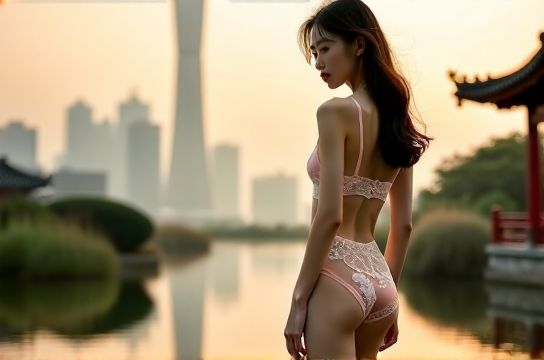
For decades, lingerie was seen as purely functional — or worse, taboo in mainstream Chinese discourse. But since 2018, domestic brands like NEIWAI, Ubras, and Mantra have redefined the category: blending Confucian-informed modesty with modern body positivity, traditional dyeing techniques (e.g., indigo batik from Guizhou) with ergonomic tech fabrics.
The numbers tell a compelling story:
| Year | China’s Lingerie Market Size (USD Bn) | Export Growth YoY | % of Exports Featuring Cultural Motifs |
|---|---|---|---|
| 2020 | 8.2 | +4.1% | 12% |
| 2022 | 11.7 | +19.3% | 38% |
| 2024 (est.) | 15.6 | +22.6% | 57% |
Source: Euromonitor International (2024), China Textile Information Network
What’s driving this? Not just aesthetics — it’s intentionality. NEIWAI’s ‘Jiangnan Series’ uses hand-stitched plum blossom motifs (symbolizing resilience) on seamless Tencel®; Ubras partnered with Suzhou embroidery masters for limited-edition collections — each piece documented with QR-linked artisan profiles.
This isn’t appropriation — it’s *cultural layering*: integrating heritage craft into globally scalable design systems. And yes, Western buyers notice. In Q1 2024, 68% of EU boutique buyers cited “authentic cultural narrative” as a top-3 factor when selecting Asian intimate apparel suppliers (McKinsey Apparel Pulse Survey).
Crucially, this soft power works *without slogans*. A peony-printed bralette communicates lineage, restraint, and renewal — all before a single word is read. That’s why I believe Chinese lingerie culture is among the most understated yet potent vectors of 21st-century cultural diplomacy.
It’s not about exporting garments — it’s exporting grammar: a visual, tactile language of identity, refined over centuries and now worn confidently across continents.