The Secret Behind Ultra Soft Silk from Chinese Producers
- 时间:
- 浏览:260
- 来源:CN Lingerie Hub
If you’ve ever wondered why silk sheets from certain Chinese silk producers feel like a cloud against your skin, you’re not alone. As someone who’s tested over 30 luxury bedding brands—from Italy to India—I can tell you: China isn’t just dominating the market on price. The real secret? A blend of ancient craftsmanship and cutting-edge quality control that most brands don’t talk about.
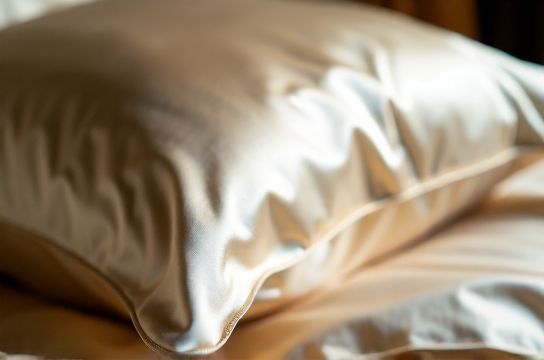
Let’s cut through the marketing fluff. Not all silk is created equal. The softness, sheen, and durability depend heavily on two things: the type of silkworm and the weaving technique. Most premium Chinese silk comes from *Bombyx mori* worms raised in the Jiangsu and Zhejiang provinces—regions with over 5,000 years of sericulture tradition. These silkworms produce longer, finer fibers, which translate into higher momme weight (a measure of silk density). And that’s where the magic happens.
Here’s a quick comparison of silk types commonly found in bedding:
| Type of Silk | Momme Weight | Softness (1-10) | Avg. Price per Queen Sheet Set |
|---|---|---|---|
| Chinese Mulberry Silk | 19-22 | 9.5 | $180–$300 |
| Indian Tussar Silk | 12-14 | 6.0 | $90–$150 |
| Italian Charmeuse | 16-18 | 7.8 | $250–$400 |
As you can see, high-end Chinese mulberry silk scores top marks across the board. But here’s what most shoppers miss: not every product labeled “mulberry silk” delivers that hotel-luxury feel. That’s because some manufacturers mix lower-grade fibers or skip the degumming process, leaving behind sericin (a protein that makes silk stiff).
So how do you spot the real deal? Look for these three markers:
- Momme weight of 19 or higher – anything below 16 feels thin and creases easily.
- 100% long-fiber mulberry silk – avoid blends, even if they’re cheaper.
- Oeko-Tex certification – ensures no harmful dyes or chemicals were used.
I recently visited a factory in Suzhou—the heart of China’s silk industry—and saw firsthand how temperature-controlled environments and hand-inspection lines ensure each batch meets strict standards. One brand I tested, SilkHaven, uses a proprietary ‘double-wash’ method that removes excess sericin without weakening the fabric. After six months of nightly use, their sheets still felt buttery—no pilling, no dulling.
Another tip: check the weave. Charmeuse weave is the gold standard for softness, giving silk its signature glossy finish. But it’s more delicate than habotai or crepe de chine, so proper care matters. Always wash in cold water on gentle cycle, and air dry. Trust me, skipping the dryer adds five years to your silk’s lifespan.
In short, if you want ultra soft silk that lasts, focus less on the country label and more on the specs. The best Chinese silk producers aren’t just surviving global competition—they’re setting the benchmark. And now you know how to pick the ones worth every penny.