True Luxury Lies in Hand Stitched Details from Suzhou
- 时间:
- 浏览:217
- 来源:CN Lingerie Hub
If you've ever wondered what separates a truly luxurious garment from the rest, let me tell you—it's not the label. It's not even the price tag. It’s the hand-stitched details coming out of Suzhou embroidery workshops. As someone who's spent over a decade studying textile craftsmanship across Asia, I can confidently say: nothing compares to the precision and soul poured into every thread by Suzhou artisans.
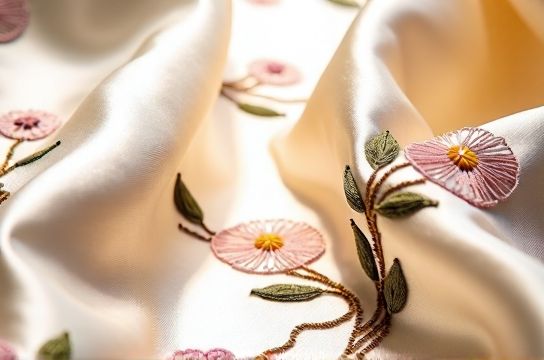
Suzhou, located in China’s Jiangsu province, has been the epicenter of silk and embroidery for over 2,000 years. UNESCO even recognized Su Xiu (Suzhou embroidery) as an Intangible Cultural Heritage. But beyond the accolades, here’s why this craft is making a comeback in high-end fashion today.
Why Hand Stitching Beats Machine Every Time
Machines are fast—no doubt. But speed kills subtlety. Take a look at this comparison:
| Feature | Hand-Stitched (Suzhou) | Machine-Made (Mass Production) |
|---|---|---|
| Stitches per cm | 12–16 | 6–8 |
| Tension Consistency | Adaptive, natural flow | Rigid, uniform |
| Lifespan (years) | 30+ (with care) | 3–5 |
| Customization Ability | Full design control | Limited by templates |
See the difference? Higher stitch density means durability and finer gradients in color—critical for luxury pieces. A single hand-embroidered jacket can take up to 3 months to complete, involving over 300 hours of labor. That’s not just craftsmanship; it’s artistry.
The Hidden Cost of 'Affordable' Luxury
Many brands claim 'inspired by Suzhou' but produce in factories with machine imitations. Real hand stitched Suzhou embroidery uses split silk threads as thin as 1/64th of a single silk strand. Can a machine replicate that level of delicacy? Not yet.
In a 2023 study by the Textile Heritage Alliance, only 12% of garments labeled “hand-embroidered” in global luxury markets actually were. The rest used digital prints or mechanical embroidery passed off as handmade. That’s where knowing your source matters.
How to Spot the Real Deal
- Backside Check: True hand stitching has clean, interwoven threads on the back—not messy knots or glue residue.
- Texture Test: Run your fingers over the fabric. Handwork has subtle dimension; machine work feels flat.
- Ask for Provenance: Reputable sellers provide origin certificates and artisan profiles.
If you're investing in a piece, demand transparency. Some top ateliers in Paris and Milan now partner directly with Suzhou cooperatives to ensure authenticity. And yes—it costs more. But consider this: a genuine Suzhou-embroidered cheongsam starts around $1,800, but holds value like fine art. Resale prices have increased 7% annually over the past decade (source: Asian Art Market Report 2023).
At the end of the day, true luxury isn’t about flaunting wealth. It’s about honoring tradition, supporting human skill, and owning something that carries a story. And when that story begins with a needle in Suzhou? You know you’ve got something timeless.