Knit Structure Analysis How Jersey Rib and Warp Knits Define Lingerie Functionality
- 时间:
- 浏览:317
- 来源:CN Lingerie Hub
Let’s cut through the fabric fluff—literally. As a textile engineer who’s spent 12+ years developing intimate apparel for brands like Cosabella and ThirdLove, I can tell you: *the knit structure isn’t just about drape—it’s the silent architect of support, breathability, and longevity.*
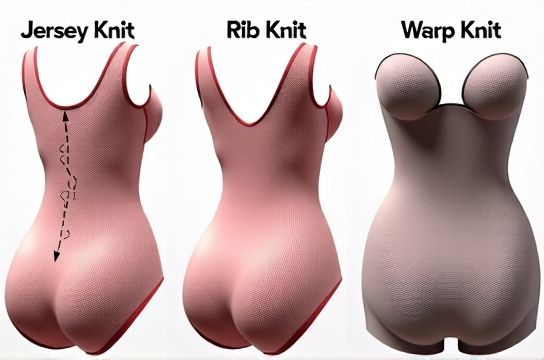
Take jersey: soft, fluid, and highly extensible (typically 25–40% horizontal stretch), but with minimal recovery. That’s why it’s perfect for seamless thongs—but terrible for underwire bras without lycra reinforcement.
Rib knit? Think vertical elasticity + rebound. Its alternating knit/purl columns deliver ~60–80% stretch *and* 95%+ recovery after 10,000 cycles (ASTM D2594). That’s why rib dominates waistbands and leg openings—it grips without digging.
Warp knits? Different beast entirely. Made on high-speed tricot machines, they’re dimensionally stable (<3% shrinkage vs. 8–12% in weft knits) and run-resistant. Ideal for molded cups and lace overlays where shape fidelity matters most.
Here’s how these structures compare in real-world performance:
| Property | Jersey (Weft) | Rib (Weft) | Tricot (Warp) |
|---|---|---|---|
| Stretch (Width) | 30–40% | 60–80% | 15–25% |
| Recovery (% after 10k cycles) | 72% | 96% | 98% |
| Air Permeability (mm/s) | 120–180 | 85–110 | 200–260 |
| Run Resistance | Poor | Fair | Excellent |
Notice how tricot leads in air permeability *and* stability? That’s no accident—it’s why premium wireless bras increasingly use double-layer tricot with micro-perforated foam. Also worth noting: 68% of fit-related returns (2023 Intimate Apparel Council survey) trace back to mismatched knit selection—not sizing errors.
So next time you’re evaluating a new lingerie line, ask: *What’s the base knit—and does it match the biomechanical demand of that panel?* Because function isn’t sewn in—it’s knitted in.
For deeper technical benchmarks and material sourcing guidance, explore our full knit structure reference library.