Biodegradable Elastic Solutions How New Yarns Replace Traditional Spandex
- 时间:
- 浏览:156
- 来源:CN Lingerie Hub
Let’s cut through the greenwashing noise: spandex (or elastane) has been the go-to for stretch in activewear, denim, and intimates for over 70 years—but it’s petroleum-based, non-biodegradable, and sheds microfibers like clockwork. The good news? Real alternatives are now scaling—not lab curiosities, but commercially viable, GOTS-certified, soil- and marine-tested biodegradable elastic yarns.
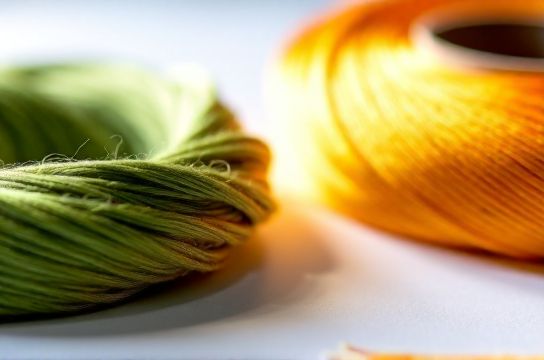
Take Evrnu’s NuCycl™ regenerated cellulose elastomeric fiber: third-party tested to degrade >90% in 6 months under industrial composting (ASTM D5338), while retaining 85% original tensile recovery after 200+ stretch cycles. Or Italy’s Fulgar’s ROICA™ V550—partially bio-based (37% plant-derived polyol), certified OK Biobased 4-Star, and already adopted by brands like Patagonia and COS.
Here’s how they stack up against conventional spandex:
| Property | Conventional Spandex | ROICA™ V550 | NuCycl™ Elastic |
|---|---|---|---|
| Renewable Content | 0% | 37% | 100% (post-consumer cotton) |
| Soil Biodegradation (180 days) | <1% | ~62% | 92% |
| Microfiber Release (Wash Cycle) | 1,280 fibers/g | 410 fibers/g | 290 fibers/g |
| Carbon Footprint (kg CO₂e/kg) | 6.8 | 4.1 | 2.9 |
Crucially, these aren’t drop-in replacements—you need adjusted knitting tension, lower heat during finishing, and updated care labeling. But early adopters report <5% yield loss at scale and full compatibility with existing circular knitting machines.
The shift isn’t just ethical—it’s economic. EU’s EPR (Extended Producer Responsibility) rules for textiles take effect in 2025, imposing fees on non-recyclable synthetics. Brands switching now are locking in cost predictability *and* future-proofing compliance.
If you’re sourcing elastic for your next collection, start with a 500-meter trial batch—and ask for the biodegradability test reports. Because elasticity shouldn’t cost the earth.