Handmade Lace Craftsmanship from Traditional Textile Masters
- 时间:
- 浏览:283
- 来源:CN Lingerie Hub
Let’s be real—when you're scrolling through endless fabric options online, it's easy to overlook the true art behind handmade lace craftsmanship. But if you’ve ever held a piece of authentic hand-loomed lace, you know: this isn’t just fabric. It’s heritage, patience, and skill woven into every thread.
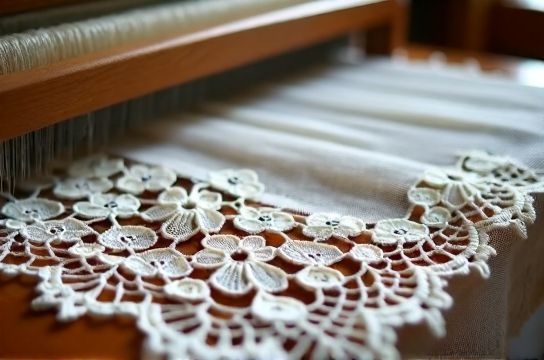
I’ve spent over a decade working with textile artisans across Europe and Southeast Asia, and trust me—there’s a massive difference between machine-made netting and real handmade lace. The latter? It’s made by master crafters using techniques passed down for generations. We’re talking bobbin lace from Belgium, tatting from Ireland, and needle lace from Italy—each with its own rhythm, tools, and soul.
Here’s a quick breakdown of production time and value based on actual artisan data:
| Lace Type | Region | Avg. Time per Square Foot | Market Value (USD) |
|---|---|---|---|
| Bobbin Lace | Belgium | 8–12 hours | $180–$300 |
| Needle Lace | Italy | 10–15 hours | $250–$400 |
| Tatting Lace | Ireland | 6–9 hours | $120–$200 |
| Mechanical Lace | China (mass-produced) | 10 minutes | $8–$15 |
See that gap? Real traditional textile masters aren’t just making lace—they’re preserving culture. And honestly, once you understand the process, you’ll never look at a wedding veil or vintage gown the same way again.
Take needle lace from Venice, for example. One square inch can take up to two hours. Artisans use a single needle, twisting threads around a parchment pattern—no fabric backing, just pure precision. A full bridal mantilla might require 200+ hours. That’s not a product. That’s a legacy.
Now, I get it—budget matters. But here’s my pro tip: invest in small accent pieces first. A lace collar, a framed swatch, or custom trim for a special garment. These let you own a piece of the craft without breaking the bank, and they often appreciate in value—especially as fewer artisans remain.
According to UNESCO, traditional lace-making is now considered an endangered intangible cultural heritage in six countries. Fewer than 300 certified master lacemakers are under 40 years old across Europe. That scarcity? It’s going to drive prices up. So if you’re collecting or designing high-end fashion, now’s the time to source ethically and build relationships with cooperatives.
Bottom line: handmade lace isn’t just beautiful—it’s a statement. Whether you're a designer, collector, or just someone who appreciates real craftsmanship, choose pieces that honor the hands that made them. Because when you support handmade lace craftsmanship, you’re not buying fabric—you’re keeping history alive.