Quality Inspection Process for Imported Lingerie
- 时间:
- 浏览:225
- 来源:CN Lingerie Hub
If you're importing lingerie—whether you're a boutique brand, e-commerce seller, or expanding your fashion line—you can't afford to skip the quality inspection process. With rising consumer expectations and tight return policies, one bad batch can damage your reputation fast. So, what does a professional inspection really involve? Let’s break it down with real data and proven steps.
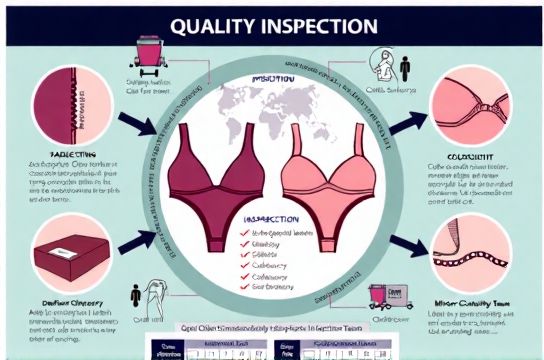
Why Quality Control Matters in Lingerie Imports
The global lingerie market is projected to hit $87 billion by 2025 (Statista, 2023). But here's the catch: nearly 18% of online lingerie returns are due to poor stitching, fabric defects, or sizing inaccuracies (McKinsey Fashion Report, 2022). That’s where a solid quality inspection process saves both money and brand trust.
4 Key Stages of Lingerie Quality Inspection
- Pre-Production Check: Verify samples match design specs—fabric weight, color fastness, lace patterns.
- In-Line Inspection: Mid-production audit to catch issues early (e.g., wrong hook-and-eye alignment).
- Final Random Inspection (FRI): Done when 80–100% of goods are packed.
- Container Loading Check: Ensures no damage during packing and shipping.
What Inspectors Actually Test For
Beyond just 'does it look good?', accredited QC teams run standardized checks. Here’s a snapshot of common defect categories:
| Defect Type | Common Examples | AQL Limit (Major) |
|---|---|---|
| Fabric Flaws | Pilling, shading, snags | 2.5% |
| Stitching Issues | Loose threads, skipped stitches | 2.5% |
| Sizing & Fit | Band too tight, cup asymmetry | Minor: 4.0% |
| Hardware Defects | Broken sliders, rusted hooks | 1.0% |
Note: AQL (Acceptable Quality Limit) standards follow ISO 2859-1. Most lingerie importers use Level II with Major = 2.5%, Minor = 4.0%.
Pro Tips from Industry Experts
- Test elasticity: Stretch waistbands and straps 10x—check for recovery.
- Wash test a sample set: See how colors bleed and lace holds up after cycle.
- Use fit models: Don’t rely only on mannequins—real bodies reveal fit flaws.
One supplier I worked with reduced defect rates by 63% in 6 months simply by adding in-line checks and third-party audits. The ROI? Fewer returns, higher repeat purchase rate.
Should You Hire a Third-Party Inspector?
While some buyers use factory QC teams, independent inspectors are 40% more likely to report critical defects (QIMA 2023 Audit Review). Why? No conflict of interest. Agencies like SGS, Bureau Veritas, or local certified auditors charge $250–$500 per inspection—but prevent $10k+ losses.
For brands serious about long-term success, investing in a structured quality control for lingerie process isn’t optional—it’s essential. Start with one audit, learn from the report, and scale smartly.