Third Party Certifications Ensuring Credible Claims
- 时间:
- 浏览:174
- 来源:CN Lingerie Hub
Let’s be real—how often do you see a product claiming to be “eco-friendly,” “organic,” or “clinically proven” and just… side-eye it? You're not alone. With so many brands slapping buzzwords on their packaging, it's hard to know who to trust. That’s where third party certifications come in. These aren’t just fancy stickers—they’re backed by real standards, testing, and audits.
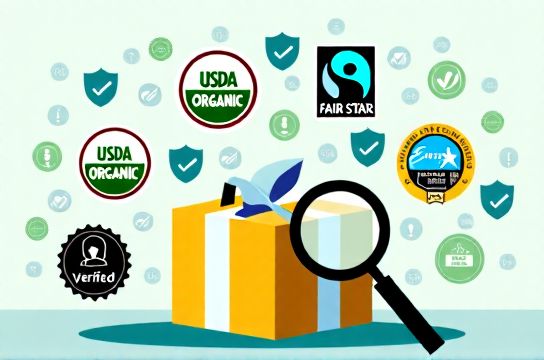
Why Third-Party Certification Matters
Unlike self-declared claims, third-party certifications are issued by independent organizations that verify a product’s ingredients, manufacturing process, or environmental impact. Think of them as the bouncers at the club of credibility—no fake IDs allowed.
According to a 2023 Label Insight report, 81% of consumers say they’re more likely to trust a product with a third-party seal than one relying solely on brand claims. And get this: products with certifications like USDA Organic or Fair Trade saw an average sales lift of 18–25% over non-certified competitors.
Top Certifications You Should Know
Not all badges are created equal. Here’s a quick breakdown of the most trusted labels across industries:
| Certification | Industry | What It Verifies | Recognition Rate* |
|---|---|---|---|
| USDA Organic | Food & Beverages | No synthetic pesticides, GMOs, or antibiotics | 92% |
| LEED | Construction & Real Estate | Energy efficiency and sustainable building practices | 76% |
| Energy Star | Electronics & Appliances | Energy efficiency (20–30% less energy use) | 88% |
| Fair Trade Certified | Apparel & Food | Fair wages, safe working conditions, community development | 85% |
| EWG Verified | Personal Care & Cleaning | No known toxins, full ingredient disclosure | 67% |
*Based on consumer recognition surveys by Consumer Reports, 2023
How to Spot a Legit Certification
Here’s a pro tip: always check the certifying body’s website. Real certifications include a license number or QR code linking to a public database. If you can’t trace it back? Red flag.
Also, beware of “look-alike” logos. Some brands design their own seals using green leaves or earth tones to mimic real ones like Non-GMO Project Verified. But unless it’s from an accredited third party, it’s basically marketing glitter.
The Bottom Line
If you’re a conscious consumer—or a brand trying to build real trust—third party certifications are non-negotiable. They cut through the noise, back up claims with data, and actually influence buying behavior. So next time you’re shopping, take five seconds to scan for that seal. Your wallet—and the planet—will thank you.